Grand Lodges of the United States
A comprehensive guide to the history, rituals, and traditions of American Freemasonry
Each of the 50 states and the District of Columbia has its own Grand Lodge, representing the leadership and governance of Freemasonry within its territory. These Grand Lodges maintain the principles and practices of Freemasonry while honoring their unique regional histories and cultures. Explore the rich heritage of American Freemasonry by discovering the history, rituals, and contributions of Grand Lodges across the nation.
Featured Grand Lodges
Explore some of the most historically significant Grand Lodges in America
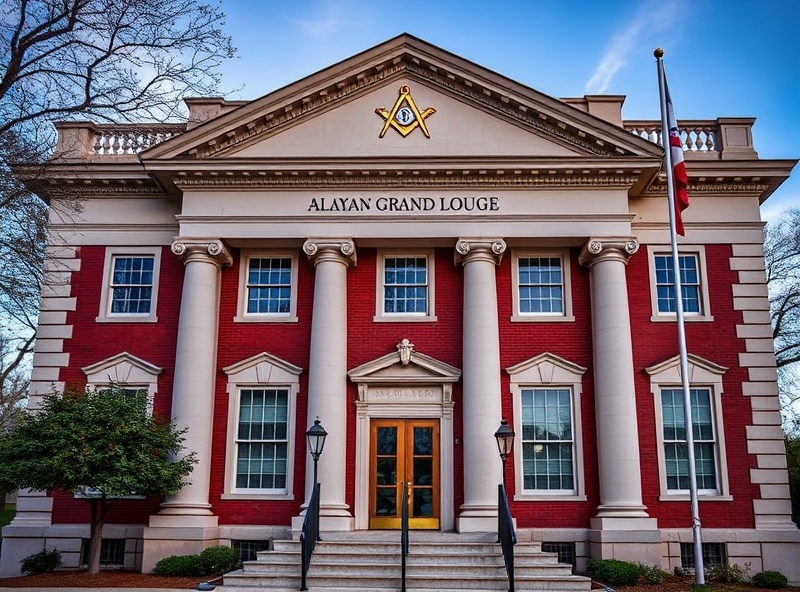
Grand Lodge of Alabama
Southern Masonic Heritage
The Grand Lodge of Alabama represents the strength of Freemasonry in the Deep South, with roots extending to the early 19th century.
Founded: 1821
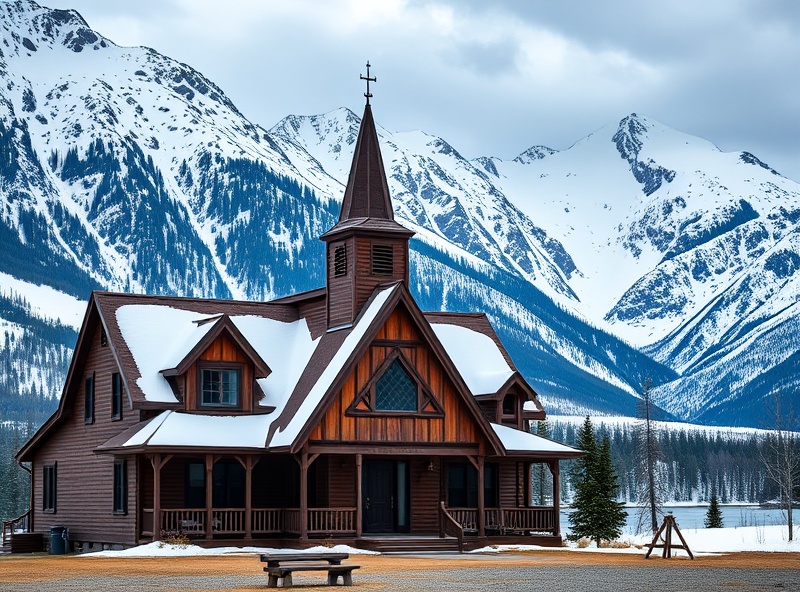
Grand Lodge of Alaska
Freemasonry in the Last Frontier
The Grand Lodge of Alaska represents Masonry's presence in America's northernmost state, established during the Gold Rush era.
Founded: 1898
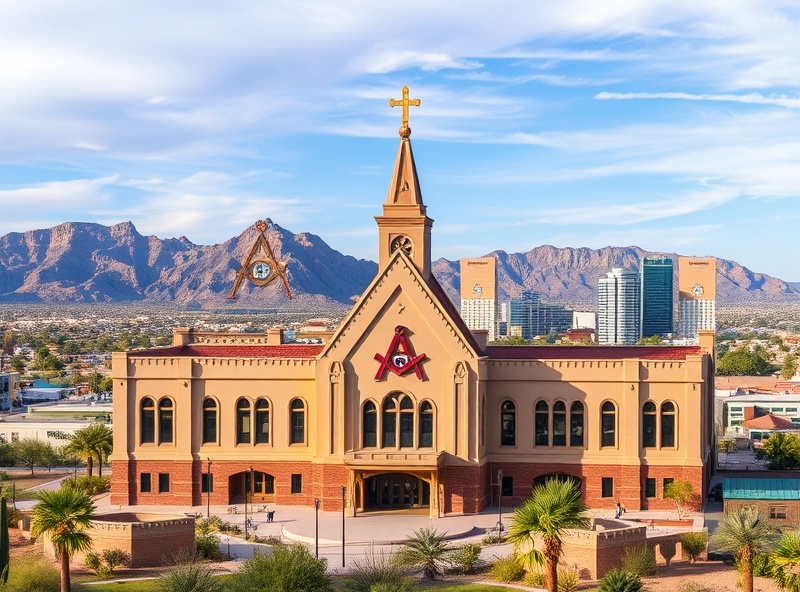
Grand Lodge of Arizona
Southwest Masonic Leadership
The Grand Lodge of Arizona emerged during the territorial period and has been a cornerstone of Masonry in the Southwest.
Founded: 1873
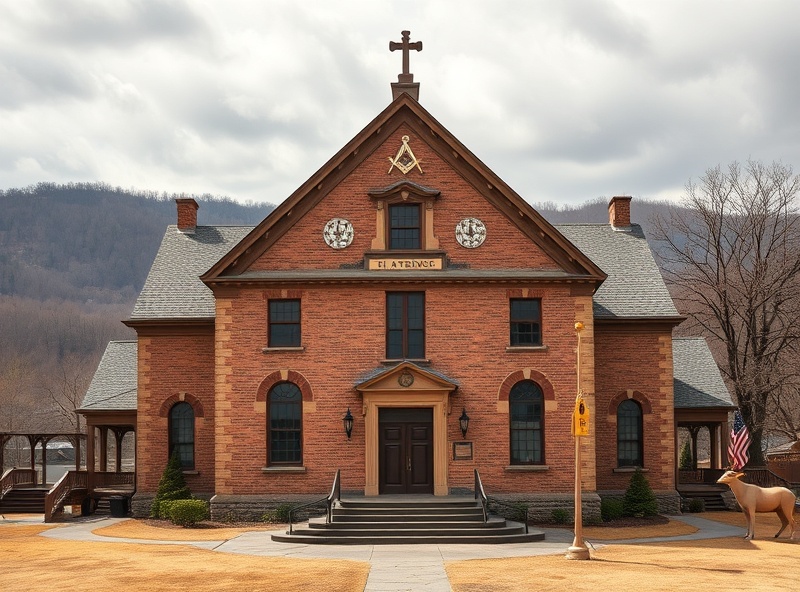
Grand Lodge of Arkansas
Frontier Masonry in the Ozarks
The Grand Lodge of Arkansas has served the state since the territorial period, representing Masonry's role in frontier development.
Founded: 1821
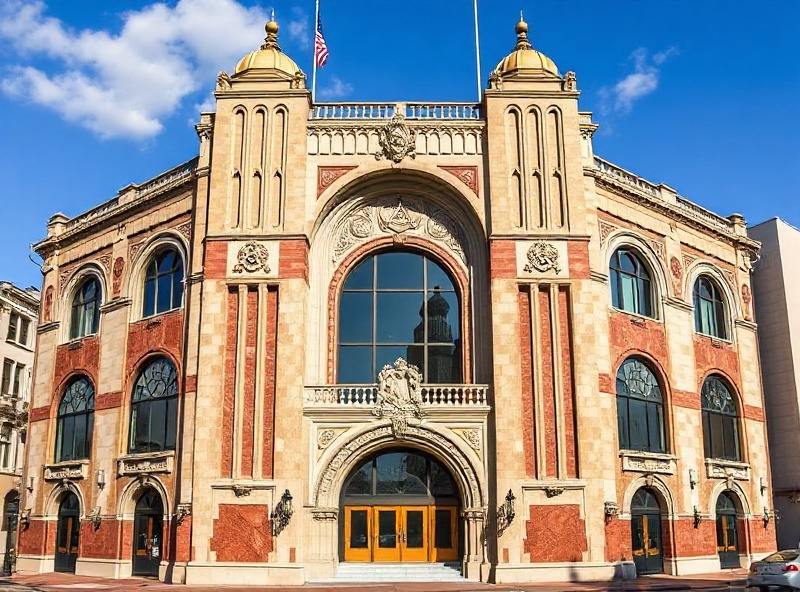
Grand Lodge of California
Masonry in the American West and Gold Rush Era
The Grand Lodge of California emerged during the Gold Rush and represents Masonry's vital role in civilizing and building communities in the American West.
Founded: 1850
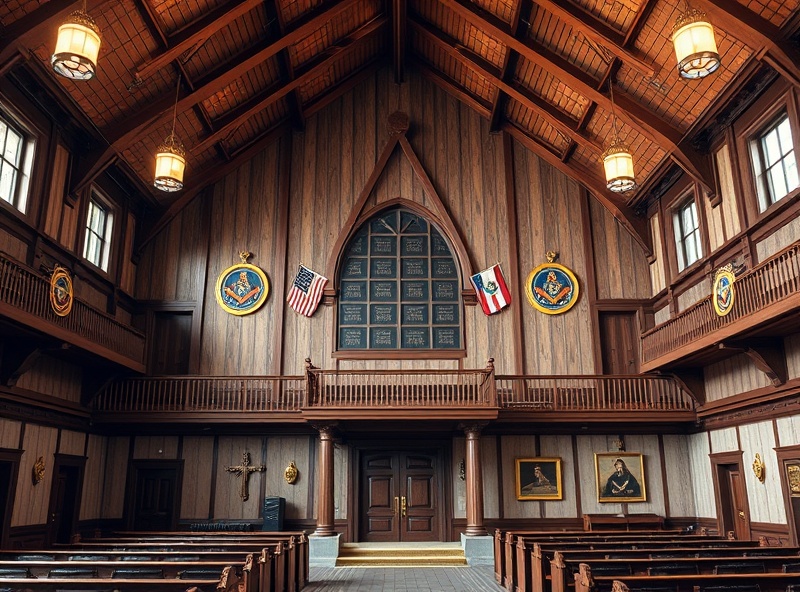
Grand Lodge of Colorado
Mountain Masonry and Colorado Statehood
The Grand Lodge of Colorado was established during the Colorado Gold Rush and has been central to the state's development.
Founded: 1861
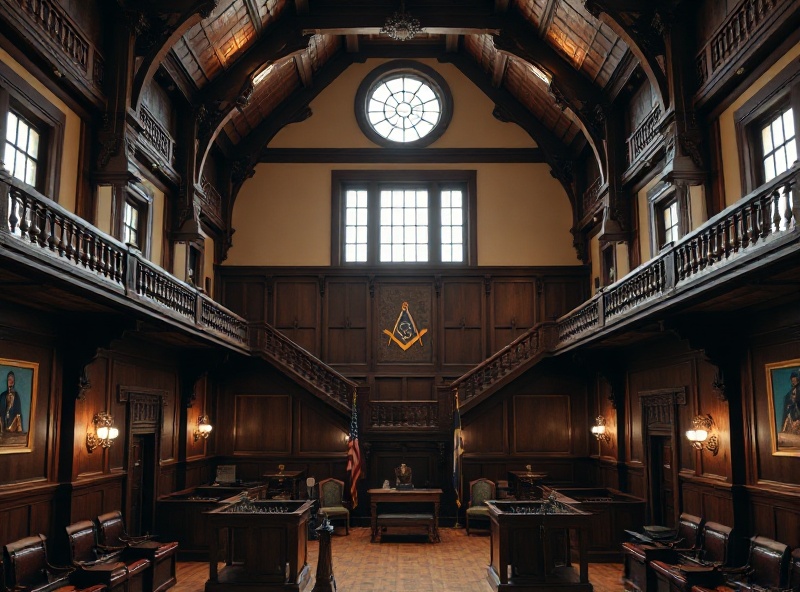
Grand Lodge of Connecticut
Early American Masonry and Constitutional Tradition
The Grand Lodge of Connecticut represents one of the early American Masonic organizations, deeply rooted in the nation's founding traditions.
Founded: 1789
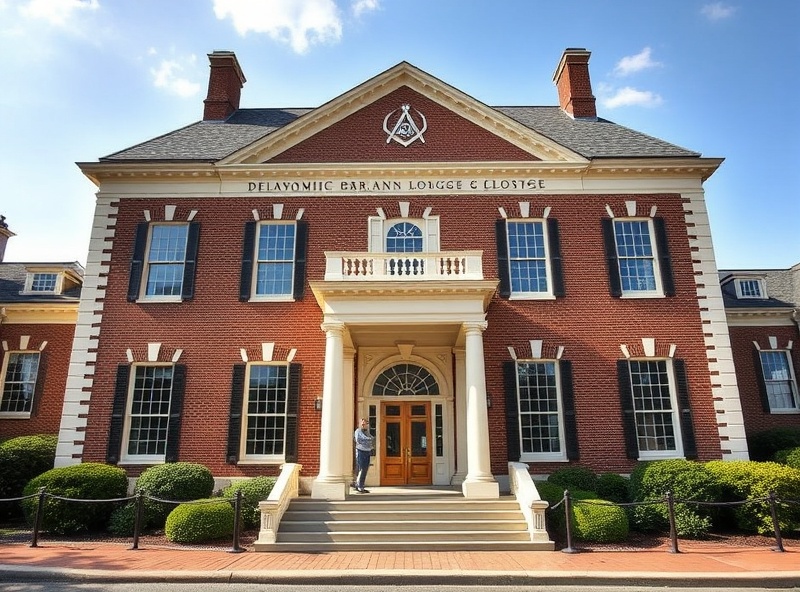
Grand Lodge of Delaware
First State Masonry
The Grand Lodge of Delaware emerged from colonial roots and represents Masonry's role in the founding of the American nation.
Founded: 1787
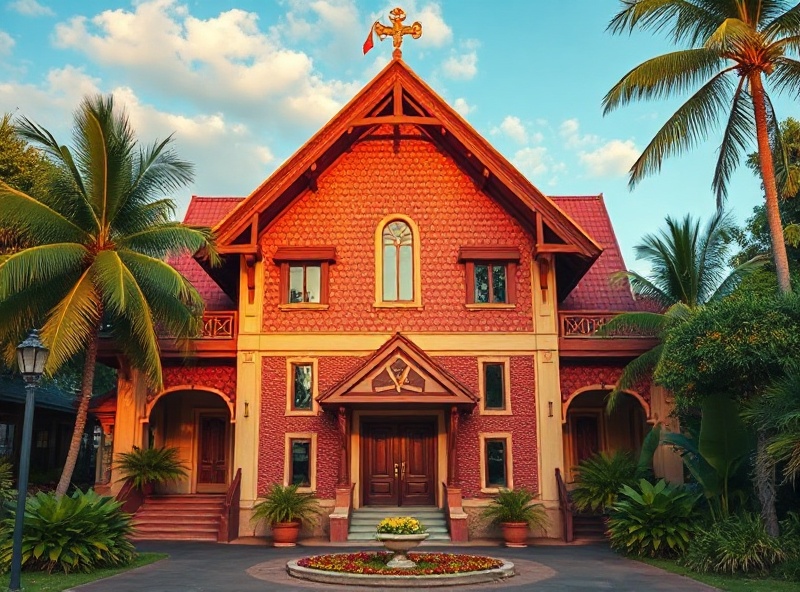
Grand Lodge of Florida
Masonry in the Sunshine State
The Grand Lodge of Florida has served the state since the territorial period and continues to be a major Masonic jurisdiction.
Founded: 1821
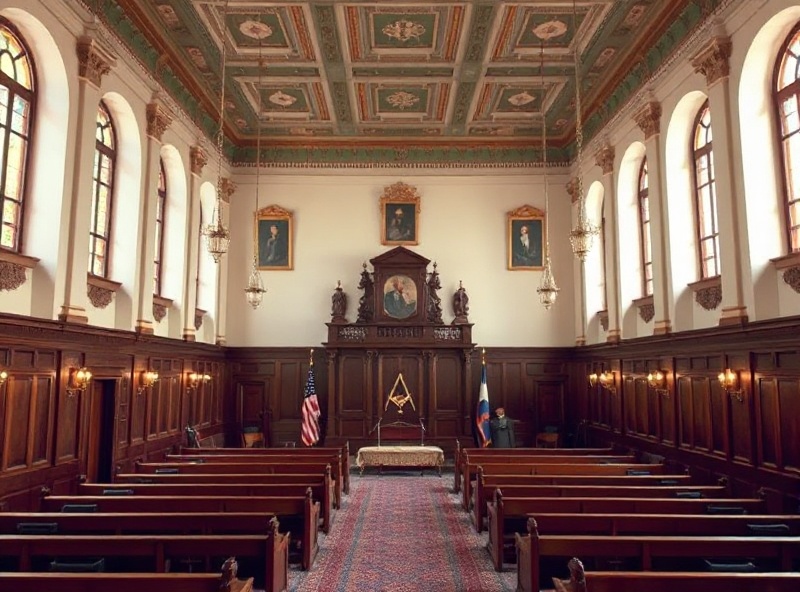
Grand Lodge of Georgia
Southern Masonic Foundation
The Grand Lodge of Georgia was one of the earliest southern Grand Lodges and represents Masonry's important role in the South.
Founded: 1786
Grand Lodge of Hawaii
Pacific Island Masonry
The Grand Lodge of Hawaii represents Freemasonry's presence in the Hawaiian Islands since the mid-19th century.
Founded: 1850
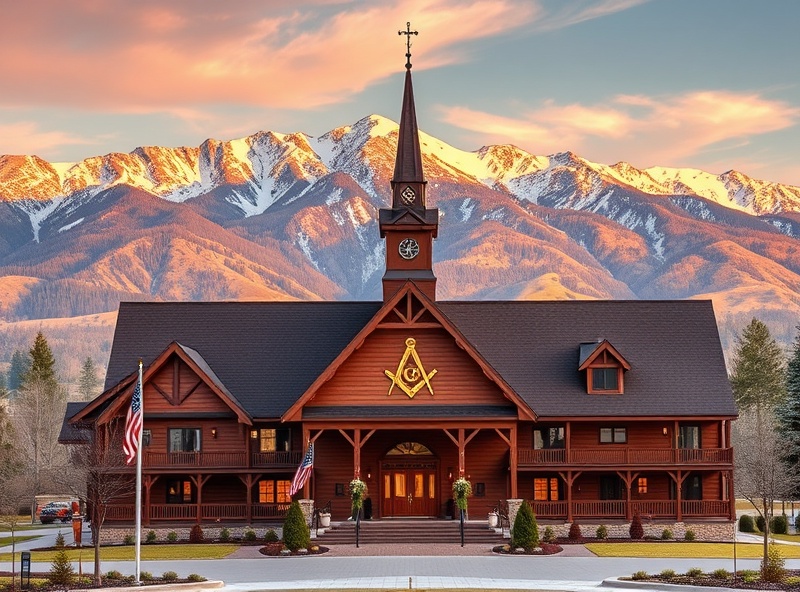
Grand Lodge of Idaho
Northwest Masonic Heritage
The Grand Lodge of Idaho emerged during the territorial period and represents Masonry's role in the Pacific Northwest.
Founded: 1867
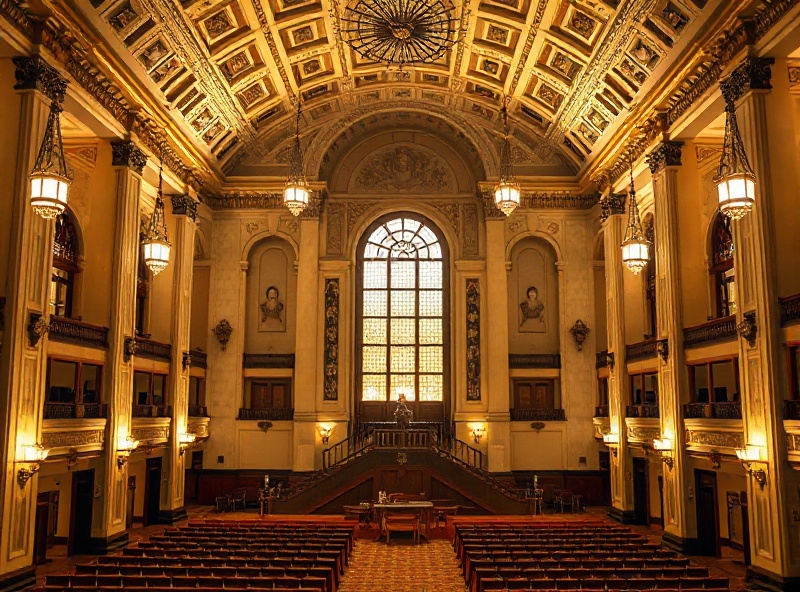
Grand Lodge of Illinois
Masonry in the American Midwest
The Grand Lodge of Illinois represents the strength of Freemasonry in the Midwest, with Chicago becoming a major center of Masonic influence and activity.
Founded: 1840
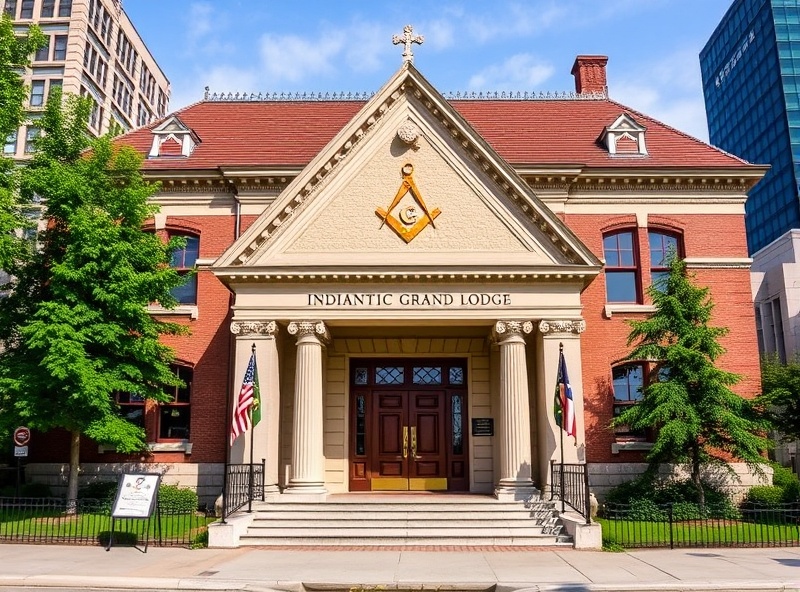
Grand Lodge of Indiana
Pioneer Masonry in the Midwest
The Grand Lodge of Indiana represents one of the earlier western Grand Lodges and Masonry's role in settling the Midwest.
Founded: 1818
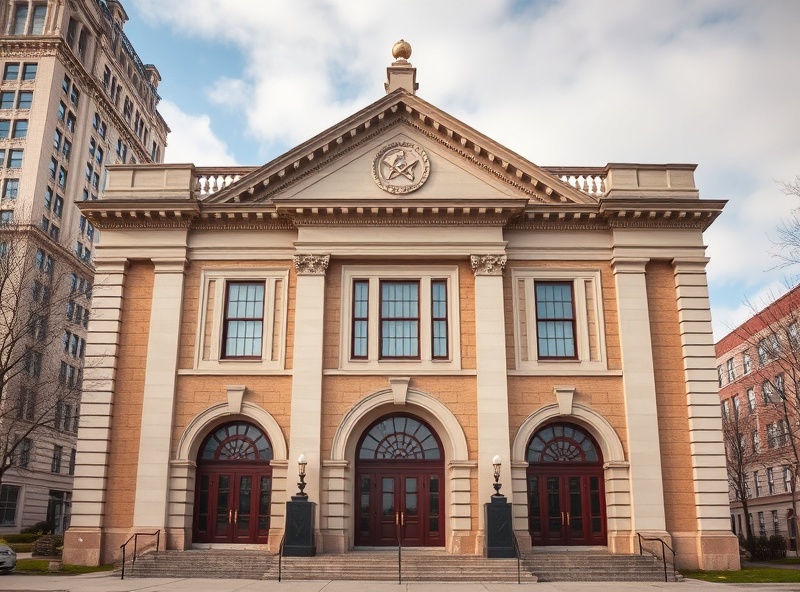
Grand Lodge of Iowa
Heartland Masonic Heritage
The Grand Lodge of Iowa emerged during the territorial period and represents Masonry's important role in the American heartland.
Founded: 1844
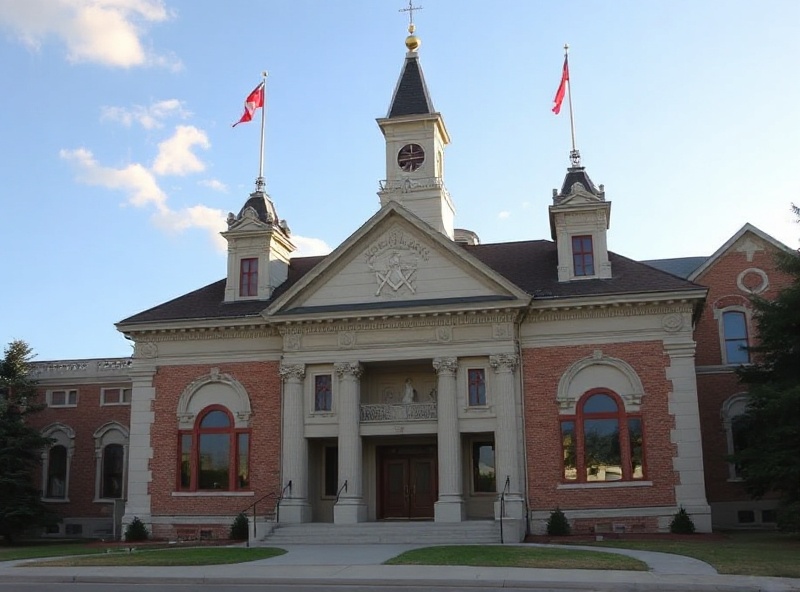
Grand Lodge of Kansas
Plains Masonry and Frontier Settlement
The Grand Lodge of Kansas was established during the territorial period and represents Masonry on the American frontier.
Founded: 1857
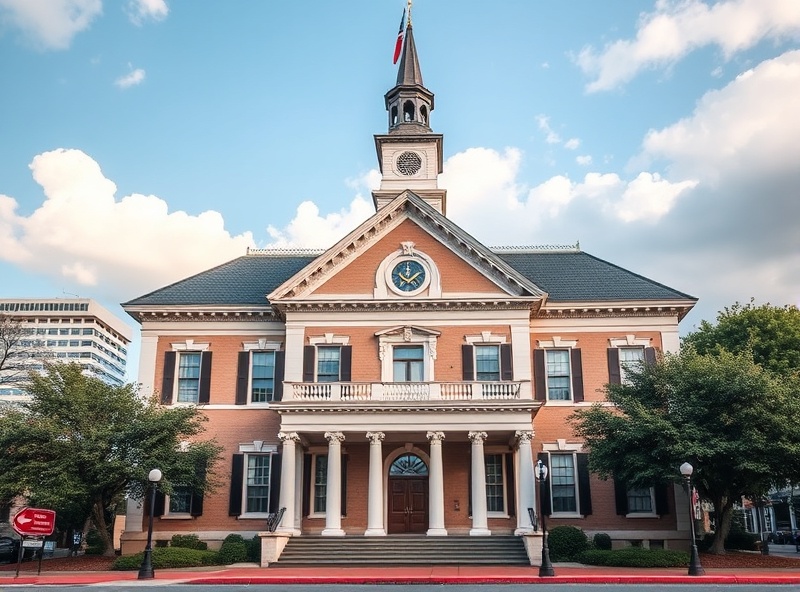
Grand Lodge of Kentucky
Frontier Masonry and Southern Tradition
The Grand Lodge of Kentucky was established in 1800 and represents Masonry's important role in frontier Kentucky.
Founded: 1800
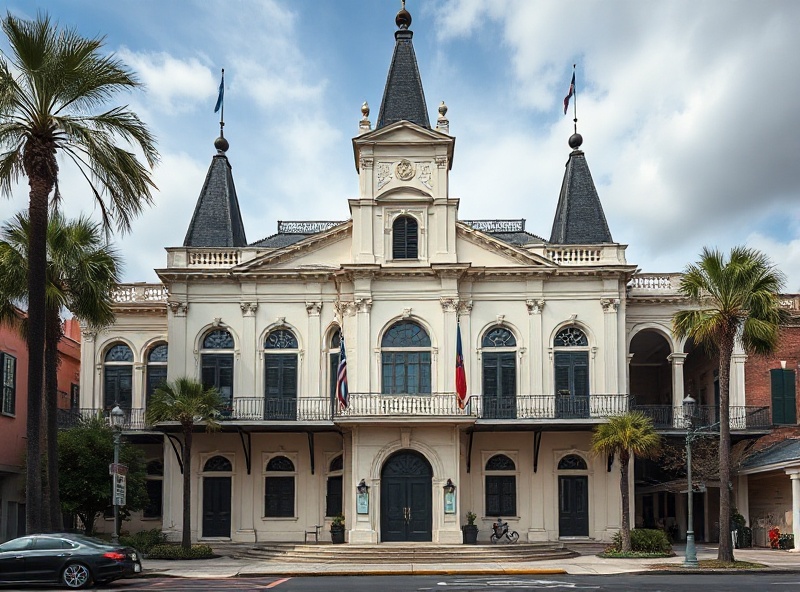
Grand Lodge of Louisiana
Early American Masonry and Southern Tradition
The Grand Lodge of Louisiana was established in 1807 and represents one of the earliest southern Grand Lodges with deep historical roots.
Founded: 1807
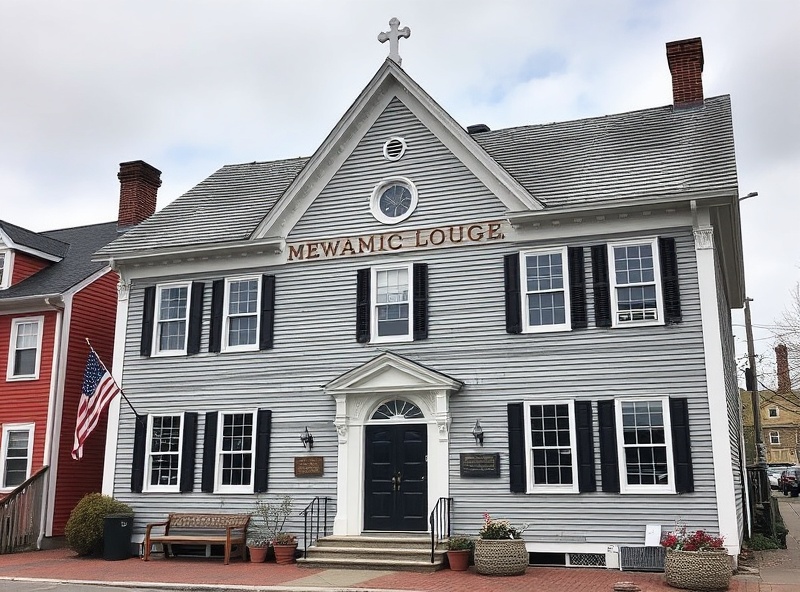
Grand Lodge of Maine
New England Masonry
The Grand Lodge of Maine emerged from Massachusetts and represents Masonry's important role in New England.
Founded: 1820
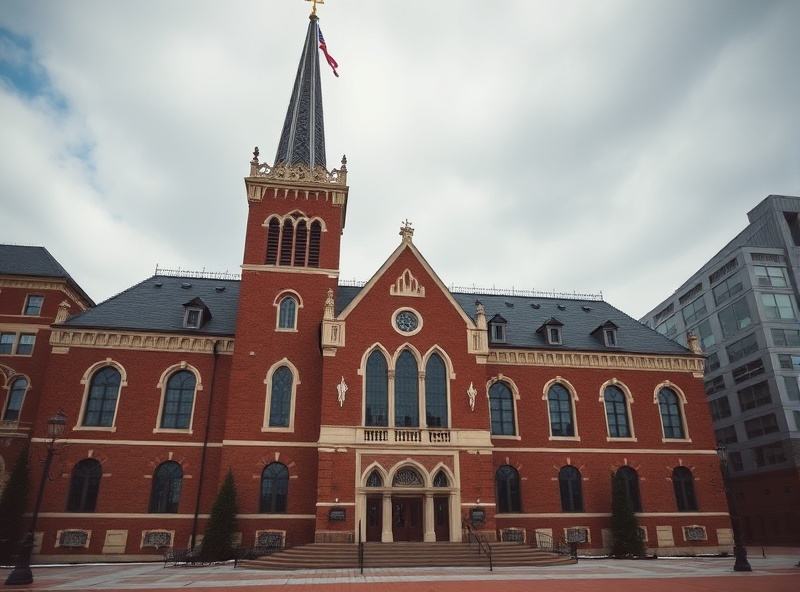
Grand Lodge of Maryland
Colonial and Revolutionary Masonry
The Grand Lodge of Maryland was chartered in 1787 and represents deep roots in colonial and revolutionary American Masonry.
Founded: 1787
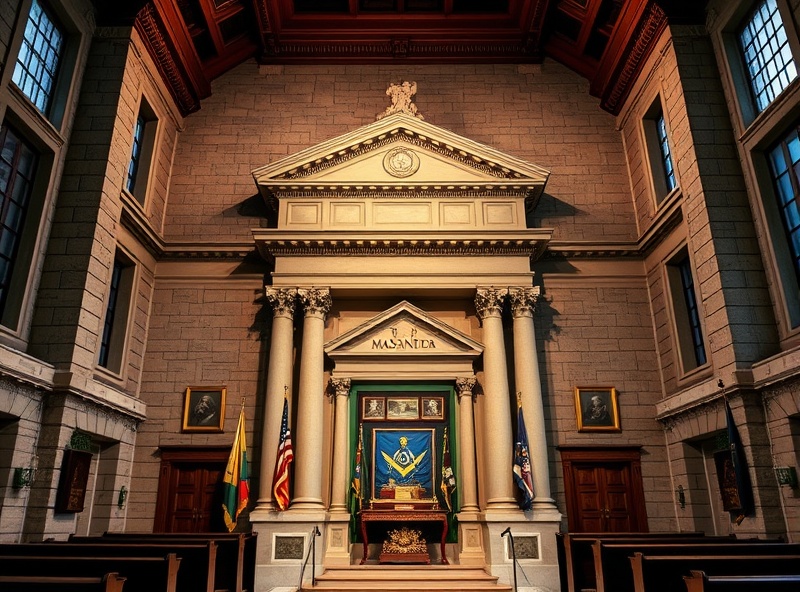
Grand Lodge of Massachusetts
Second Oldest Grand Lodge in North America
The Grand Lodge of Massachusetts is one of the oldest continuously operating Masonic organizations in North America, with a distinguished history of intellectual leadership.
Founded: 1733
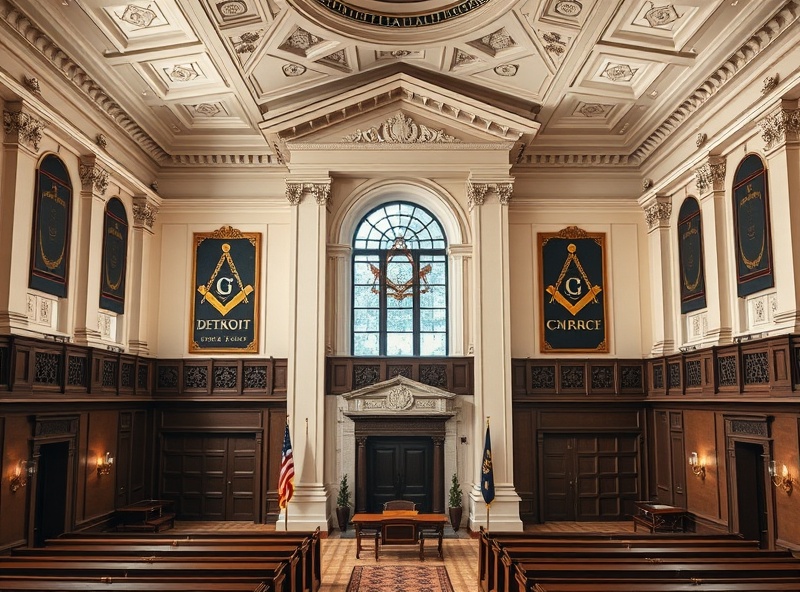
Grand Lodge of Michigan
Great Lakes Masonry
The Grand Lodge of Michigan was established in 1826 and represents Masonry's important role in the Great Lakes region.
Founded: 1826
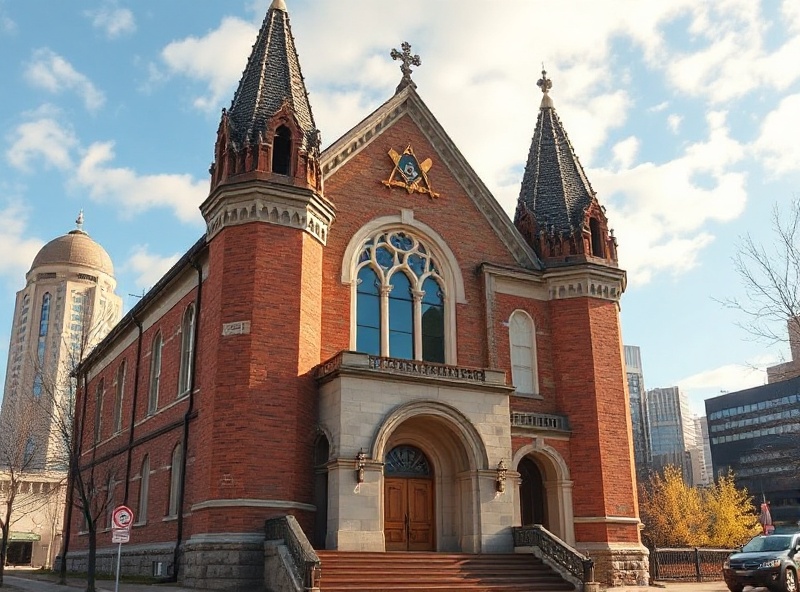
Grand Lodge of Minnesota
Upper Midwest Masonic Heritage
The Grand Lodge of Minnesota emerged during the territorial period and represents Masonry's important role in the Upper Midwest.
Founded: 1853
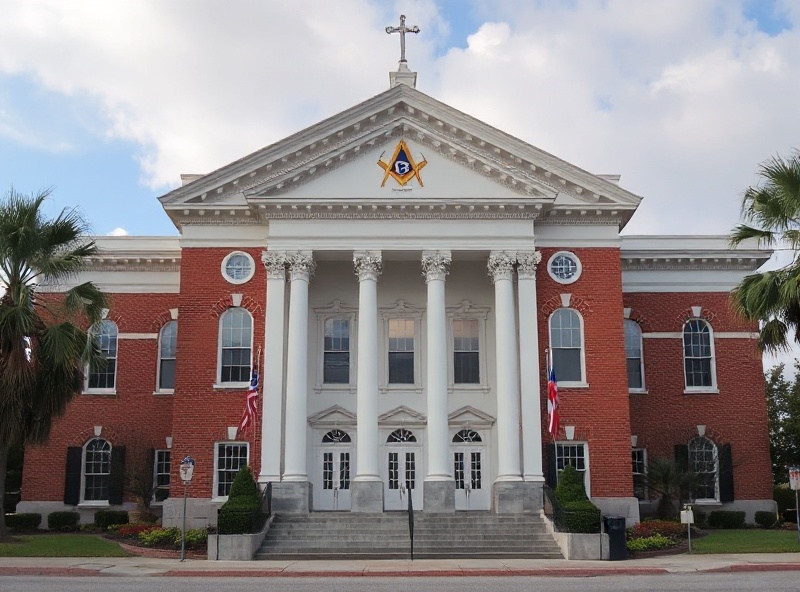
Grand Lodge of Mississippi
Mississippi River Valley Masonry
The Grand Lodge of Mississippi was established in 1818 and represents Masonry's role in the Mississippi River Valley region.
Founded: 1818
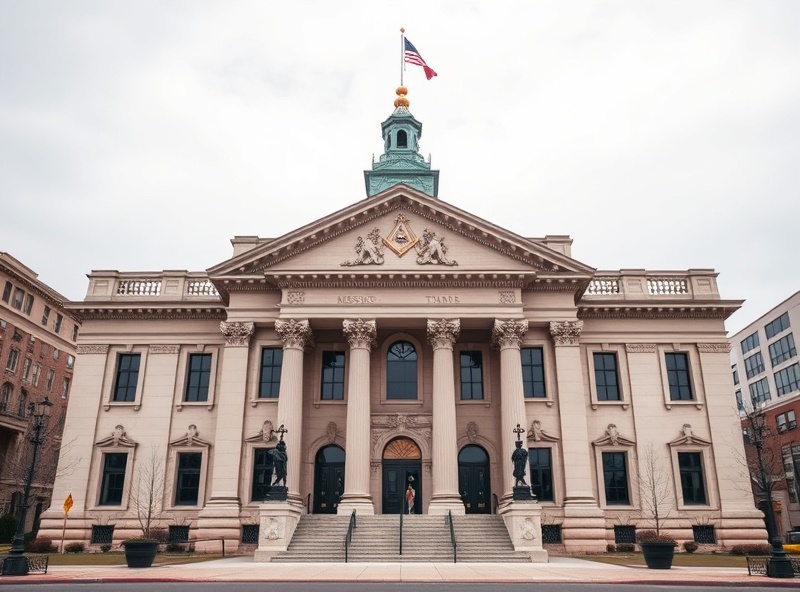
Grand Lodge of Missouri
Gateway to the West Masonry
The Grand Lodge of Missouri was established in 1821 and represents Masonry's important role in westward expansion.
Founded: 1821
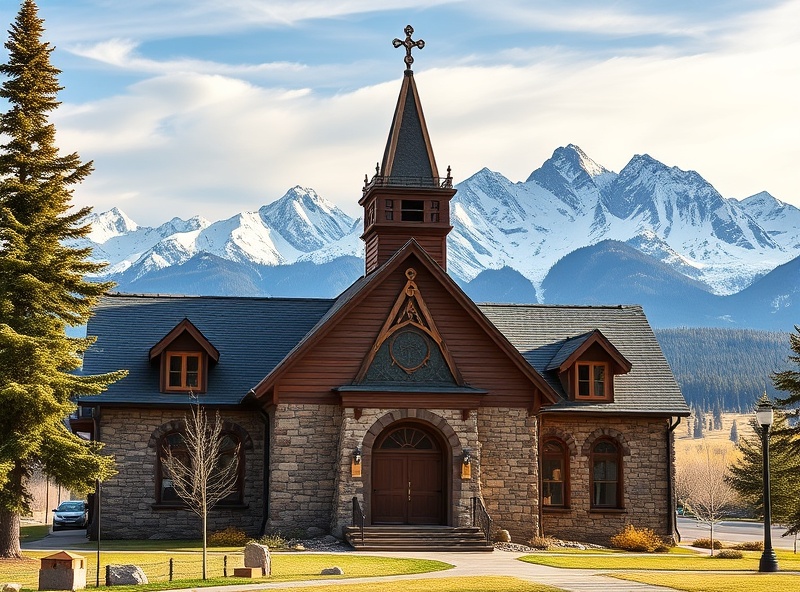
Grand Lodge of Montana
Mountain West Masonry
The Grand Lodge of Montana was established in 1865 during the territorial period and represents Masonry in the northern Rocky Mountains.
Founded: 1865
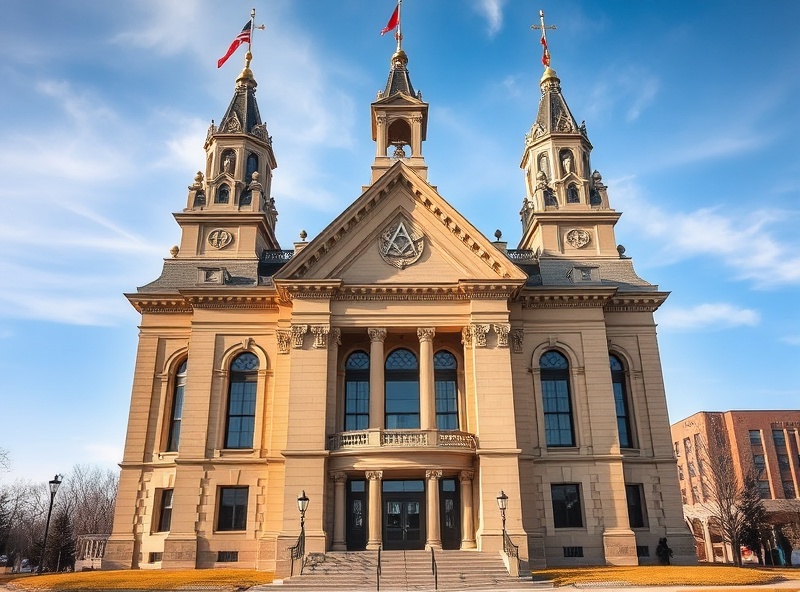
Grand Lodge of Nebraska
Great Plains Masonry
The Grand Lodge of Nebraska emerged during the territorial period and represents Masonry on the Great Plains.
Founded: 1858
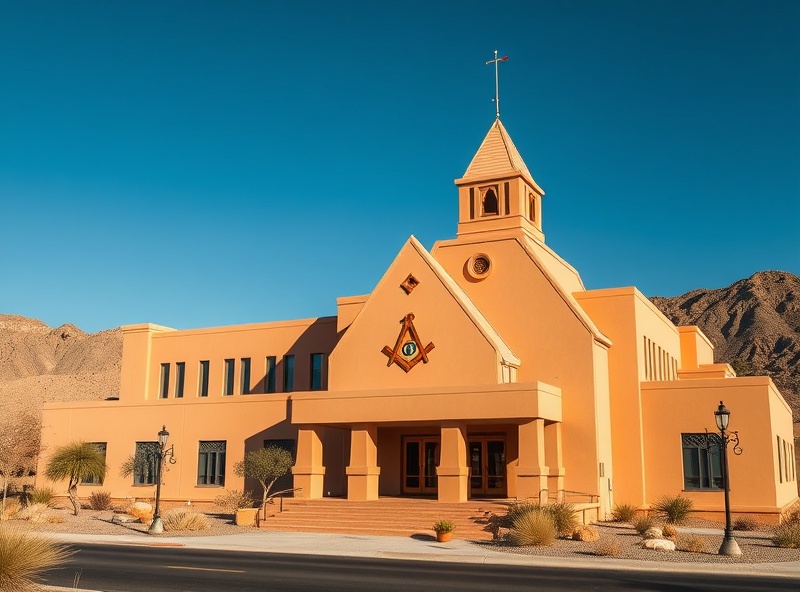
Grand Lodge of Nevada
Desert West Masonry
The Grand Lodge of Nevada was established in 1865 during the Comstock mining era and represents Masonry in the Nevada desert.
Founded: 1865
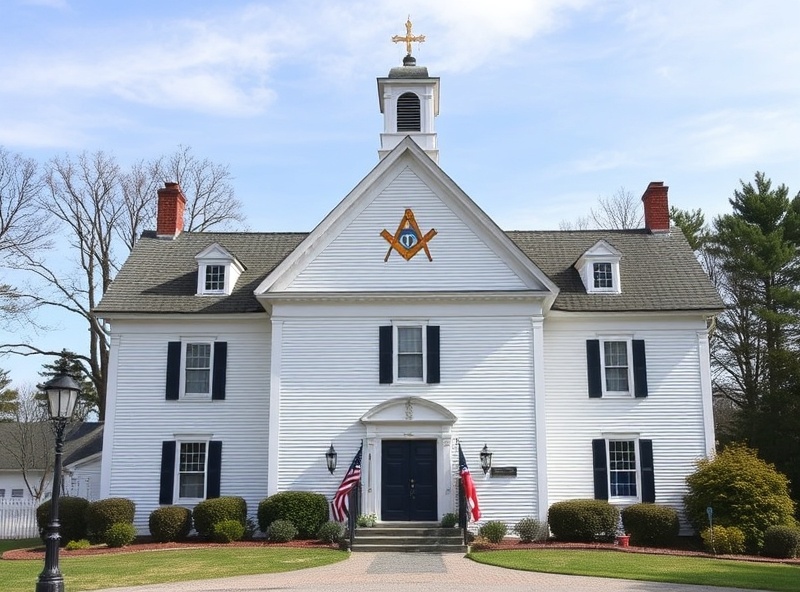
Grand Lodge of New Hampshire
New England Masonic Tradition
The Grand Lodge of New Hampshire was chartered in 1789 and represents New England's strong Masonic tradition.
Founded: 1789
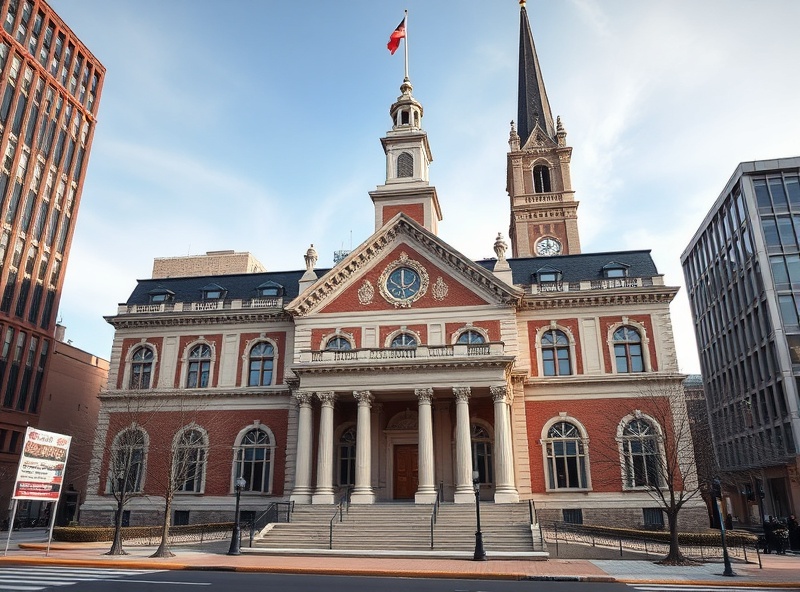
Grand Lodge of New Jersey
Colonial and Revolutionary Masonry
The Grand Lodge of New Jersey was established in 1786 and represents Masonry's important role in the Revolutionary period.
Founded: 1786
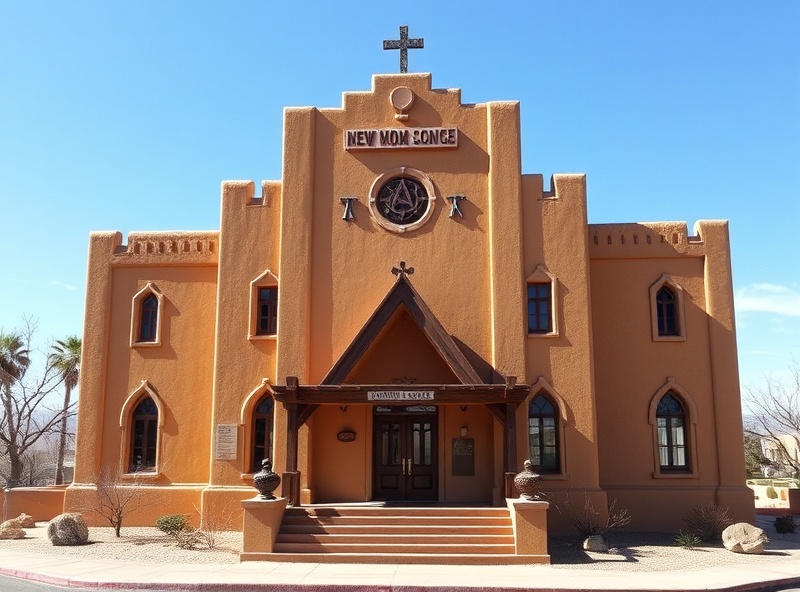
Grand Lodge of New Mexico
Southwest Territorial Masonry
The Grand Lodge of New Mexico was established in 1862 during the territorial period and represents Masonry in the Southwest.
Founded: 1862
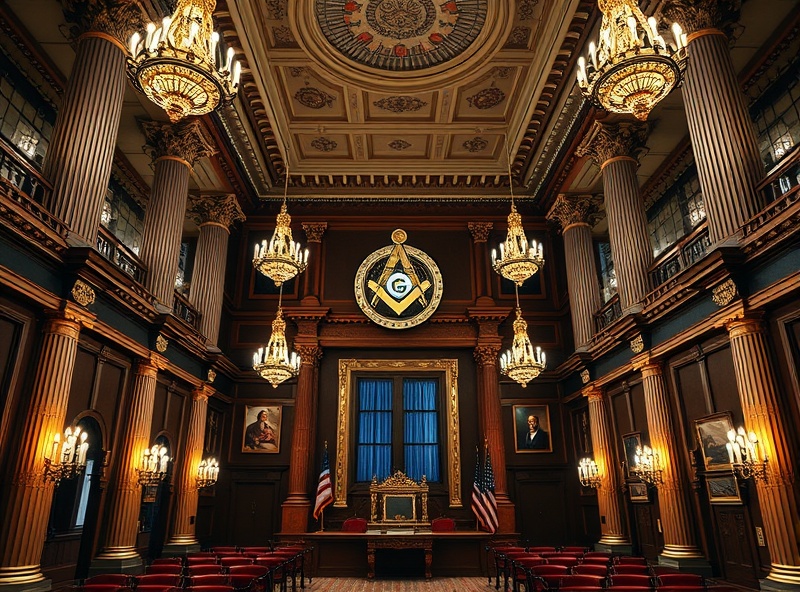
Grand Lodge of New York
Iconic Grand Master Role in American Freemasonry
The Grand Lodge of New York is one of the oldest and most prestigious Masonic organizations in America, headquartered in one of the world's great cities.
Founded: 1781
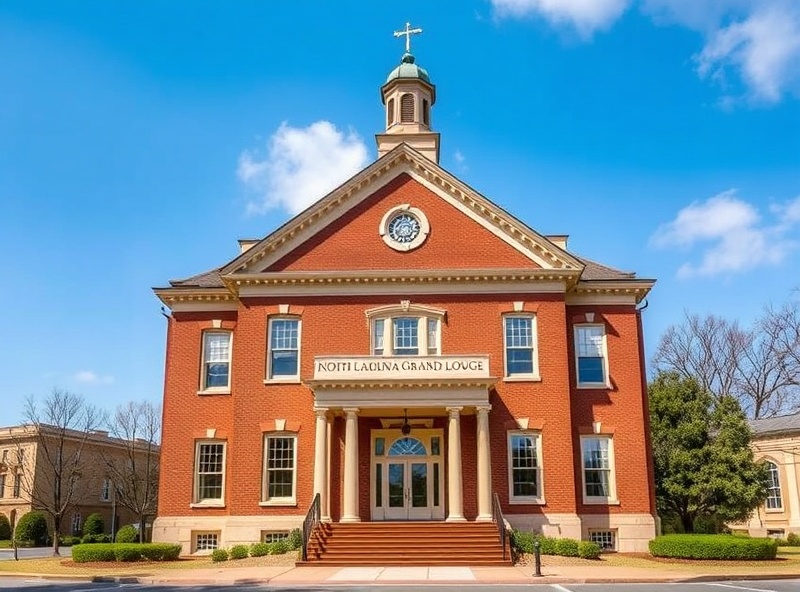
Grand Lodge of North Carolina
Southern Colonial Masonry
The Grand Lodge of North Carolina was established in 1787 and represents Masonry's important role in the South.
Founded: 1787
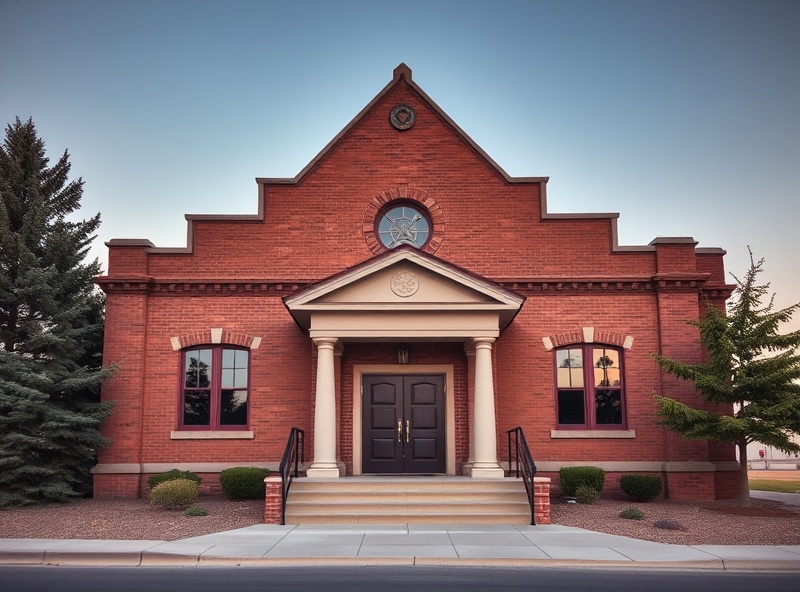
Grand Lodge of North Dakota
Northern Plains Masonry
The Grand Lodge of North Dakota was established in 1873 during the territorial period and represents Masonry on the northern plains.
Founded: 1873
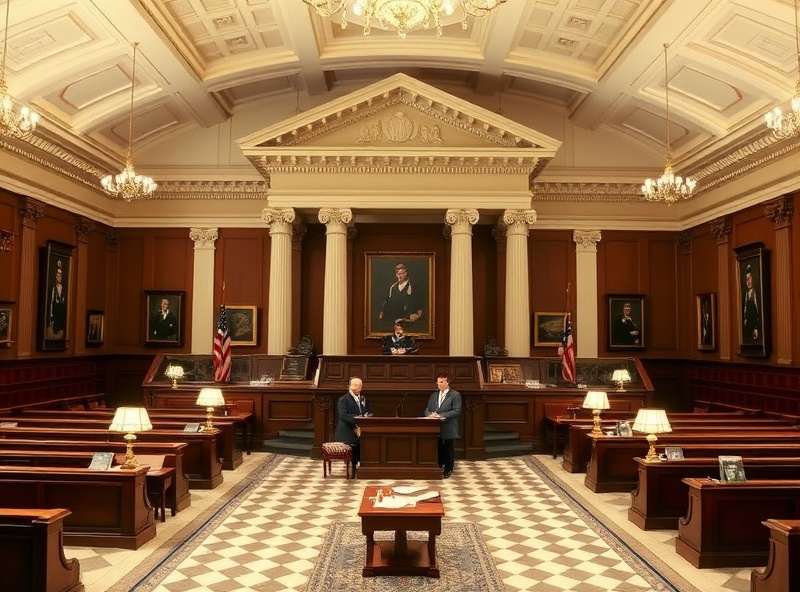
Grand Lodge of Ohio
Western Expansion of American Masonry
The Grand Lodge of Ohio played a crucial role in bringing Freemasonry westward and establishing the fraternity in the Ohio Valley region.
Founded: 1808
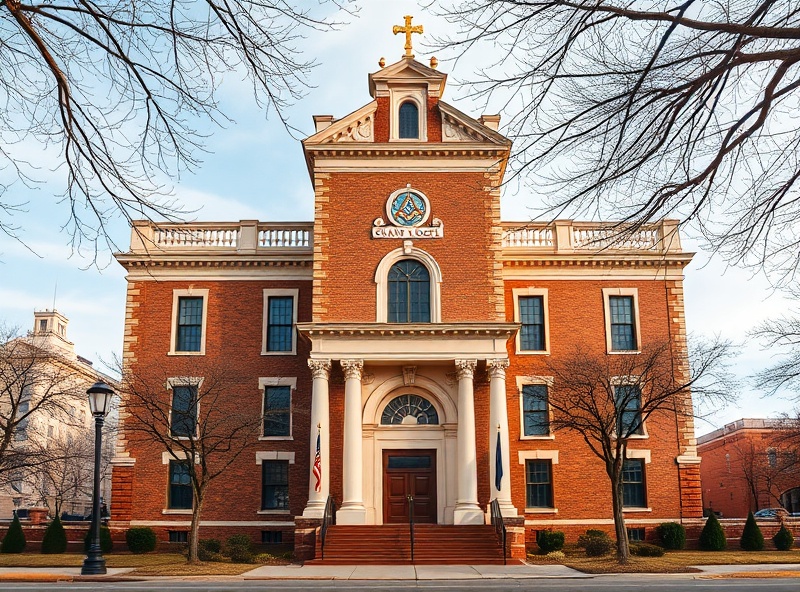
Grand Lodge of Oklahoma
Indian Territory Masonry
The Grand Lodge of Oklahoma was established in 1876 in Indian Territory and represents Masonry's role in the settlement of Oklahoma.
Founded: 1876
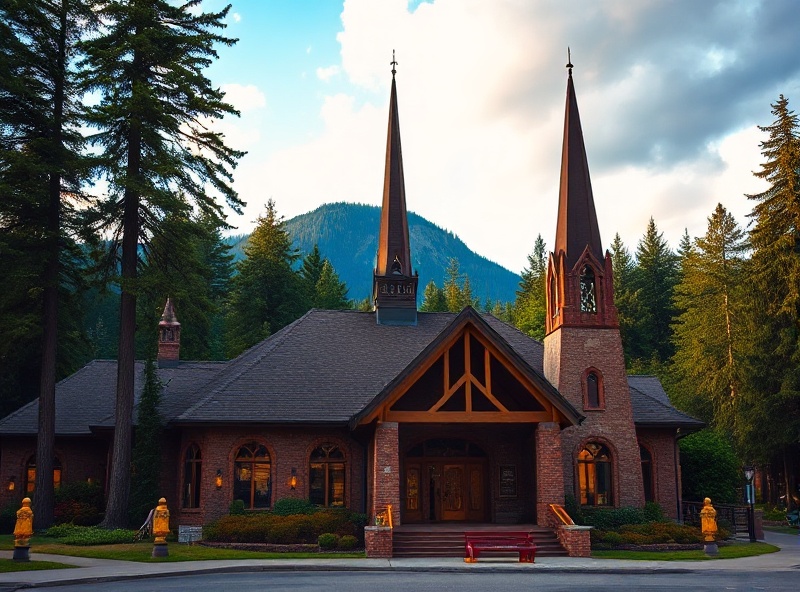
Grand Lodge of Oregon
Pacific Northwest Masonry
The Grand Lodge of Oregon was established in 1859 during the territorial period and represents Masonry in the Pacific Northwest.
Founded: 1859
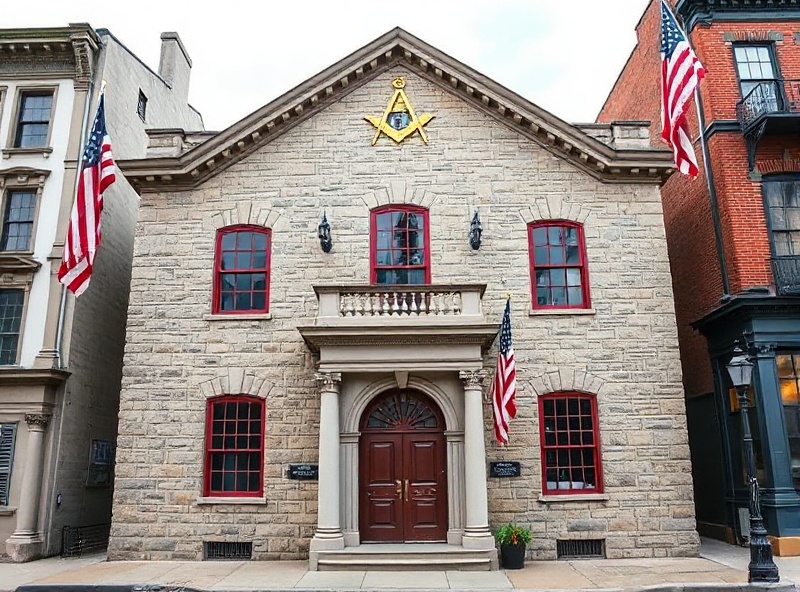
Grand Lodge of Pennsylvania
First Grand Lodge in America
The birthplace of American Freemasonry, Pennsylvania holds a unique place in the fraternity's history. From Benjamin Franklin's influence to its role in the American Revolution, Pennsylvania Freemasonry shaped the nation's founding principles.
Founded: 1734
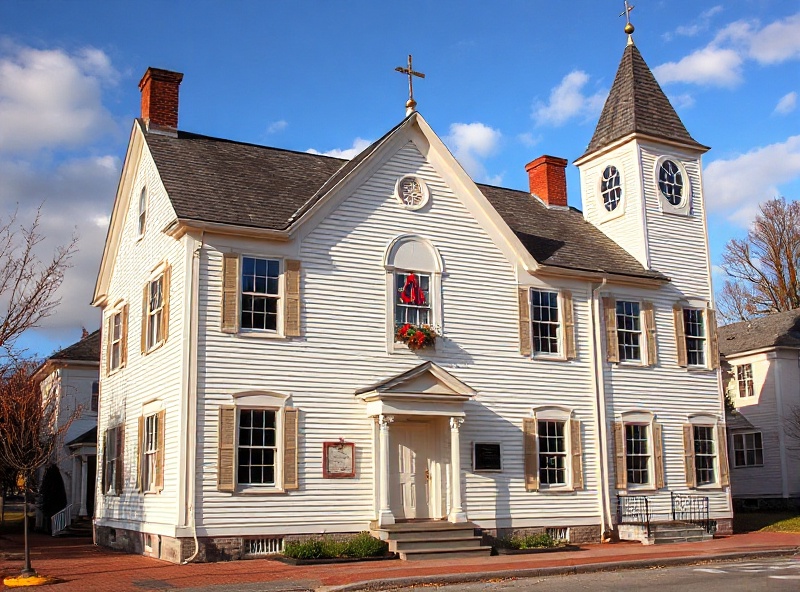
Grand Lodge of Rhode Island
New England Colonial Masonry
The Grand Lodge of Rhode Island was established in 1791 and represents New England's strong tradition of Masonry.
Founded: 1791
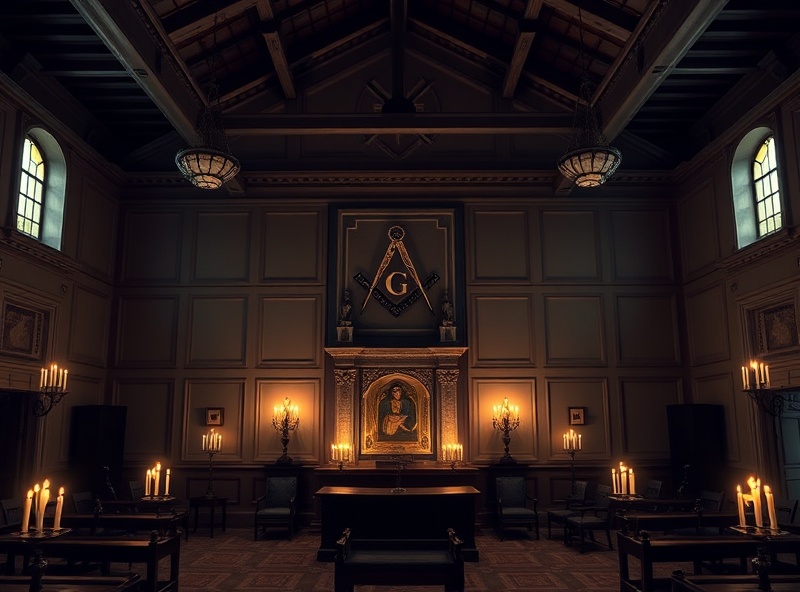
Grand Lodge of South Carolina
Southern Masonic Leadership and Influence
The Grand Lodge of South Carolina represents a significant tradition of Freemasonry in the American South, with deep historical roots and cultural importance.
Founded: 1787
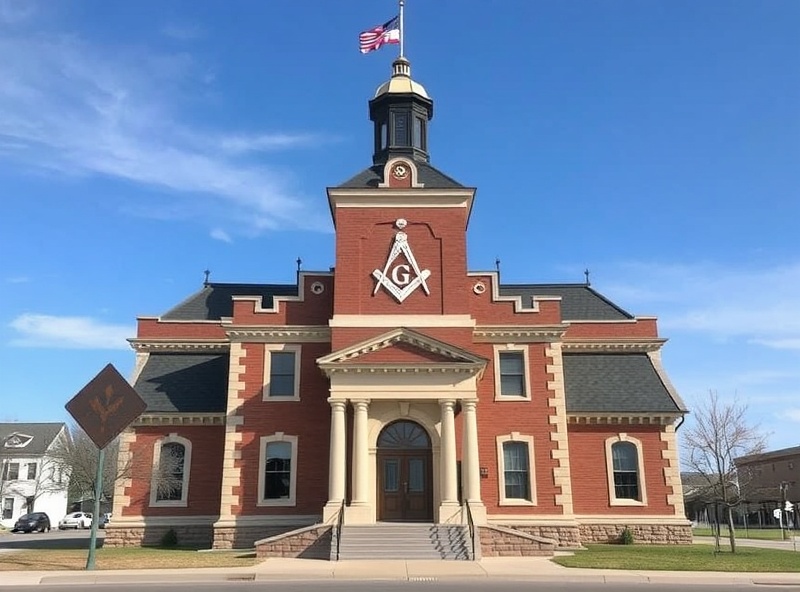
Grand Lodge of South Dakota
Northern Plains Settlement Masonry
The Grand Lodge of South Dakota was established in 1873 during the territorial period and represents Masonry on the northern Great Plains.
Founded: 1873
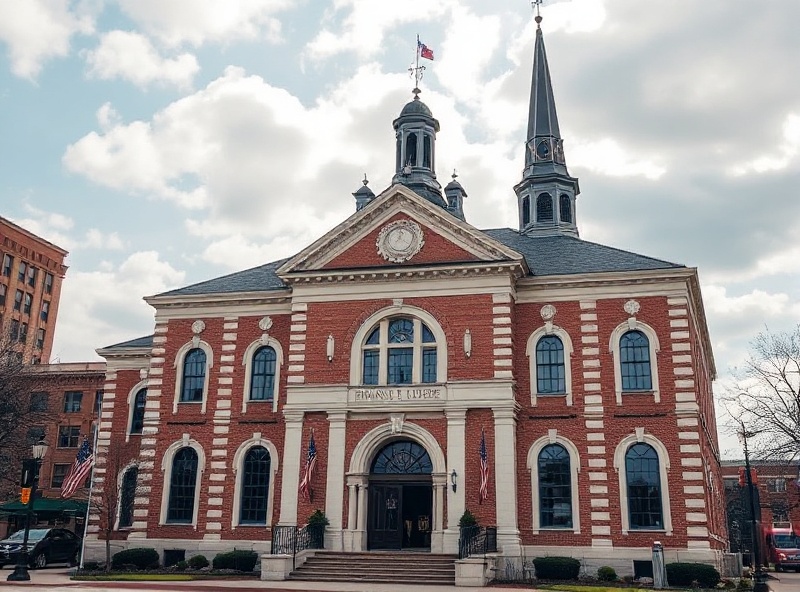
Grand Lodge of Tennessee
Southern Frontier Masonry
The Grand Lodge of Tennessee was established in 1813 and represents Masonry's important role in the frontier South.
Founded: 1813
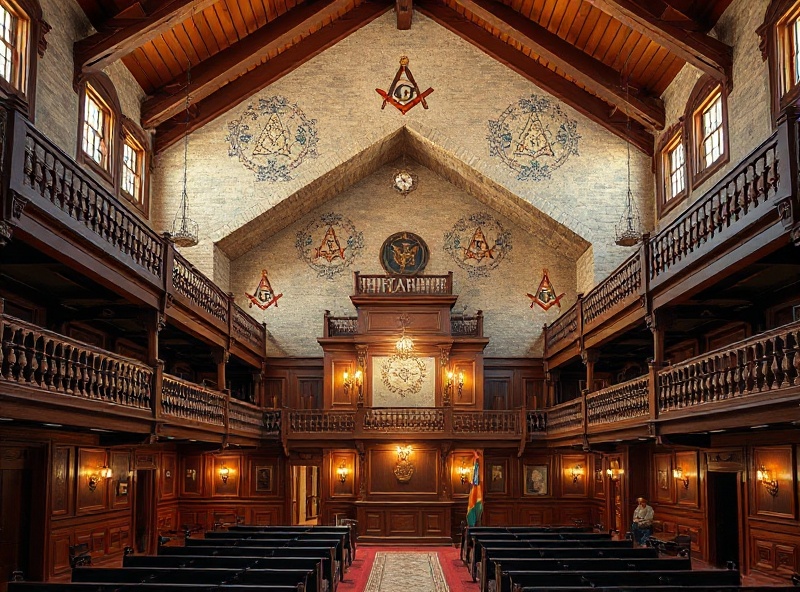
Grand Lodge of Texas
Masonry in the Texas Frontier and Westward Expansion
The Grand Lodge of Texas emerged during the period of Texas independence and represents Masonry's vital role in the development of the American Southwest.
Founded: 1837
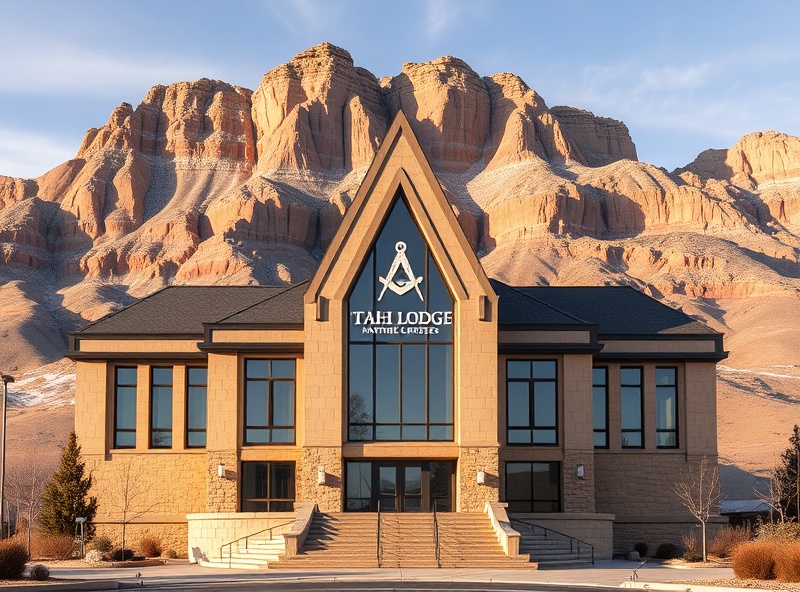
Grand Lodge of Utah
Rocky Mountain Territory Masonry
The Grand Lodge of Utah was established in 1873 in the Utah Territory and represents Masonry in the Rocky Mountain region.
Founded: 1873
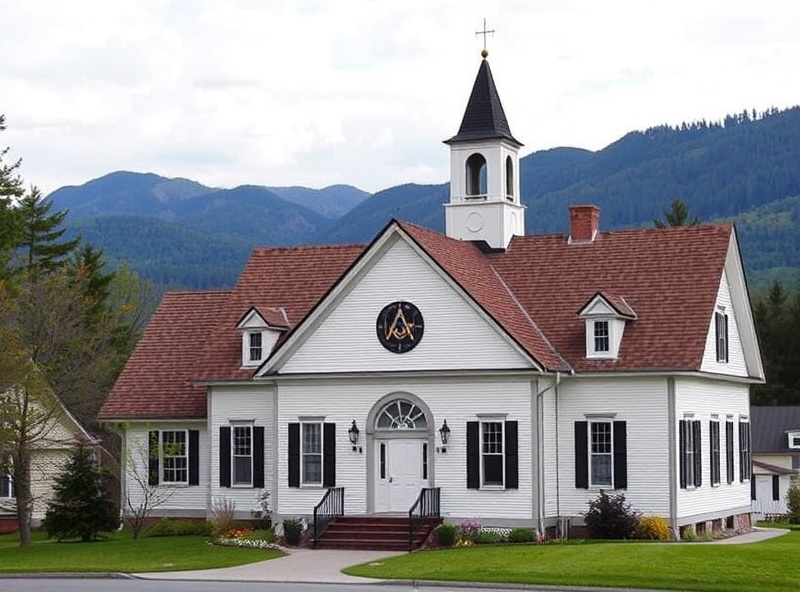
Grand Lodge of Vermont
New England Colonial Masonry
The Grand Lodge of Vermont was established in 1794 and represents New England's strong Masonic tradition.
Founded: 1794
Grand Lodge of Virginia
Homeland of American Masonic Leadership
The Grand Lodge of Virginia represents the heart of early American Freemasonry, with roots extending to the colonial era and deep connections to the nation's founding.
Founded: 1778
Grand Lodge of Washington
Pacific Northwest Masonic Heritage
The Grand Lodge of Washington was established in 1858 during the territorial period and represents Masonry in the Pacific Northwest.
Founded: 1858
Grand Lodge of West Virginia
Appalachian Mountain Masonry
The Grand Lodge of West Virginia was established in 1858 and represents Masonry in the Appalachian Mountain region.
Founded: 1858
Grand Lodge of Wisconsin
Upper Midwest Masonic Tradition
The Grand Lodge of Wisconsin emerged during the territorial period and represents Masonry in the Upper Midwest.
Founded: 1843
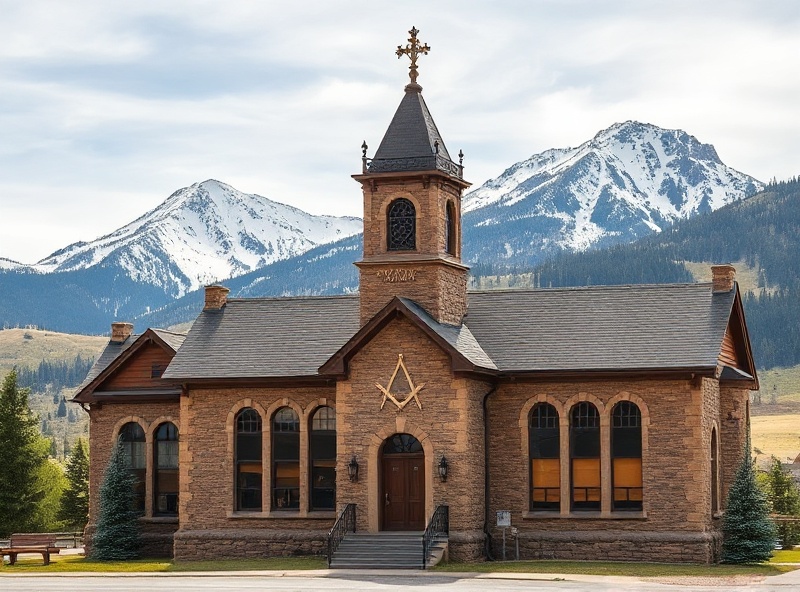
Grand Lodge of Wyoming
Rocky Mountain Frontier Masonry
The Grand Lodge of Wyoming was established in 1868 during the territorial period and represents Masonry in the Wyoming frontier.
Founded: 1868
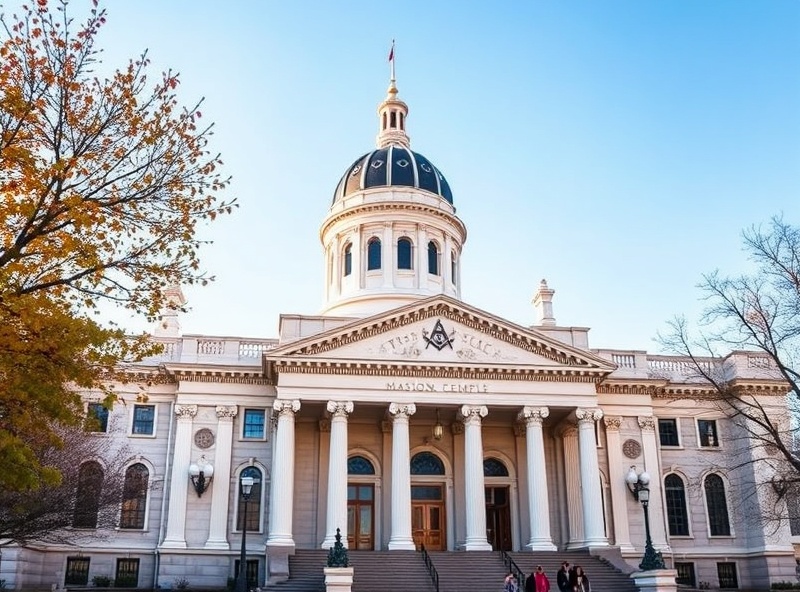
Grand Lodge of District of Columbia
Masonry in the Nation's Capital
The Grand Lodge of the District of Columbia was established in 1810 and represents Masonry in the nation's capital.
Founded: 1810
Complete Grand Lodges Directory
Access detailed information about every Grand Lodge across all 50 states and the District of Columbia
Alabama
1821Southern Masonic Heritage
The Grand Lodge of Alabama represents the strength of Freemasonry in the Deep South, with roots extending to the early 19th century.
📍 Montgomery, Alabama
Explore →Alaska
1898Freemasonry in the Last Frontier
The Grand Lodge of Alaska represents Masonry's presence in America's northernmost state, established during the Gold Rush era.
📍 Juneau, Alaska
Explore →Arizona
1873Southwest Masonic Leadership
The Grand Lodge of Arizona emerged during the territorial period and has been a cornerstone of Masonry in the Southwest.
📍 Phoenix, Arizona
Explore →Arkansas
1821Frontier Masonry in the Ozarks
The Grand Lodge of Arkansas has served the state since the territorial period, representing Masonry's role in frontier development.
📍 Little Rock, Arkansas
Explore →California
1850Masonry in the American West and Gold Rush Era
The Grand Lodge of California emerged during the Gold Rush and represents Masonry's vital role in civilizing and building communities in the American West.
📍 San Francisco, California
Explore →Colorado
1861Mountain Masonry and Colorado Statehood
The Grand Lodge of Colorado was established during the Colorado Gold Rush and has been central to the state's development.
📍 Denver, Colorado
Explore →Connecticut
1789Early American Masonry and Constitutional Tradition
The Grand Lodge of Connecticut represents one of the early American Masonic organizations, deeply rooted in the nation's founding traditions.
📍 Hartford, Connecticut
Explore →Delaware
1787First State Masonry
The Grand Lodge of Delaware emerged from colonial roots and represents Masonry's role in the founding of the American nation.
📍 Wilmington, Delaware
Explore →District of Columbia
1810Masonry in the Nation's Capital
The Grand Lodge of the District of Columbia was established in 1810 and represents Masonry in the nation's capital.
📍 Washington, District of Columbia
Explore →Florida
1821Masonry in the Sunshine State
The Grand Lodge of Florida has served the state since the territorial period and continues to be a major Masonic jurisdiction.
📍 Tampa, Florida
Explore →Georgia
1786Southern Masonic Foundation
The Grand Lodge of Georgia was one of the earliest southern Grand Lodges and represents Masonry's important role in the South.
📍 Atlanta, Georgia
Explore →Hawaii
1850Pacific Island Masonry
The Grand Lodge of Hawaii represents Freemasonry's presence in the Hawaiian Islands since the mid-19th century.
📍 Honolulu, Hawaii
Explore →Idaho
1867Northwest Masonic Heritage
The Grand Lodge of Idaho emerged during the territorial period and represents Masonry's role in the Pacific Northwest.
📍 Boise, Idaho
Explore →Illinois
1840Masonry in the American Midwest
The Grand Lodge of Illinois represents the strength of Freemasonry in the Midwest, with Chicago becoming a major center of Masonic influence and activity.
📍 Chicago, Illinois
Explore →Indiana
1818Pioneer Masonry in the Midwest
The Grand Lodge of Indiana represents one of the earlier western Grand Lodges and Masonry's role in settling the Midwest.
📍 Indianapolis, Indiana
Explore →Iowa
1844Heartland Masonic Heritage
The Grand Lodge of Iowa emerged during the territorial period and represents Masonry's important role in the American heartland.
📍 Des Moines, Iowa
Explore →Kansas
1857Plains Masonry and Frontier Settlement
The Grand Lodge of Kansas was established during the territorial period and represents Masonry on the American frontier.
📍 Topeka, Kansas
Explore →Kentucky
1800Frontier Masonry and Southern Tradition
The Grand Lodge of Kentucky was established in 1800 and represents Masonry's important role in frontier Kentucky.
📍 Louisville, Kentucky
Explore →Louisiana
1807Early American Masonry and Southern Tradition
The Grand Lodge of Louisiana was established in 1807 and represents one of the earliest southern Grand Lodges with deep historical roots.
📍 New Orleans, Louisiana
Explore →Maine
1820New England Masonry
The Grand Lodge of Maine emerged from Massachusetts and represents Masonry's important role in New England.
📍 Portland, Maine
Explore →Maryland
1787Colonial and Revolutionary Masonry
The Grand Lodge of Maryland was chartered in 1787 and represents deep roots in colonial and revolutionary American Masonry.
📍 Baltimore, Maryland
Explore →Massachusetts
1733Second Oldest Grand Lodge in North America
The Grand Lodge of Massachusetts is one of the oldest continuously operating Masonic organizations in North America, with a distinguished history of intellectual leadership.
📍 Boston, Massachusetts
Explore →Michigan
1826Great Lakes Masonry
The Grand Lodge of Michigan was established in 1826 and represents Masonry's important role in the Great Lakes region.
📍 Detroit, Michigan
Explore →Minnesota
1853Upper Midwest Masonic Heritage
The Grand Lodge of Minnesota emerged during the territorial period and represents Masonry's important role in the Upper Midwest.
📍 Minneapolis, Minnesota
Explore →Mississippi
1818Mississippi River Valley Masonry
The Grand Lodge of Mississippi was established in 1818 and represents Masonry's role in the Mississippi River Valley region.
📍 Jackson, Mississippi
Explore →Missouri
1821Gateway to the West Masonry
The Grand Lodge of Missouri was established in 1821 and represents Masonry's important role in westward expansion.
📍 Kansas City, Missouri
Explore →Montana
1865Mountain West Masonry
The Grand Lodge of Montana was established in 1865 during the territorial period and represents Masonry in the northern Rocky Mountains.
📍 Helena, Montana
Explore →Nebraska
1858Great Plains Masonry
The Grand Lodge of Nebraska emerged during the territorial period and represents Masonry on the Great Plains.
📍 Omaha, Nebraska
Explore →Nevada
1865Desert West Masonry
The Grand Lodge of Nevada was established in 1865 during the Comstock mining era and represents Masonry in the Nevada desert.
📍 Reno, Nevada
Explore →New Hampshire
1789New England Masonic Tradition
The Grand Lodge of New Hampshire was chartered in 1789 and represents New England's strong Masonic tradition.
📍 Manchester, New Hampshire
Explore →New Jersey
1786Colonial and Revolutionary Masonry
The Grand Lodge of New Jersey was established in 1786 and represents Masonry's important role in the Revolutionary period.
📍 Trenton, New Jersey
Explore →New Mexico
1862Southwest Territorial Masonry
The Grand Lodge of New Mexico was established in 1862 during the territorial period and represents Masonry in the Southwest.
📍 Santa Fe, New Mexico
Explore →New York
1781Iconic Grand Master Role in American Freemasonry
The Grand Lodge of New York is one of the oldest and most prestigious Masonic organizations in America, headquartered in one of the world's great cities.
📍 New York City, New York
Explore →North Carolina
1787Southern Colonial Masonry
The Grand Lodge of North Carolina was established in 1787 and represents Masonry's important role in the South.
📍 Raleigh, North Carolina
Explore →North Dakota
1873Northern Plains Masonry
The Grand Lodge of North Dakota was established in 1873 during the territorial period and represents Masonry on the northern plains.
📍 Bismarck, North Dakota
Explore →Ohio
1808Western Expansion of American Masonry
The Grand Lodge of Ohio played a crucial role in bringing Freemasonry westward and establishing the fraternity in the Ohio Valley region.
📍 Cincinnati, Ohio
Explore →Oklahoma
1876Indian Territory Masonry
The Grand Lodge of Oklahoma was established in 1876 in Indian Territory and represents Masonry's role in the settlement of Oklahoma.
📍 Oklahoma City, Oklahoma
Explore →Oregon
1859Pacific Northwest Masonry
The Grand Lodge of Oregon was established in 1859 during the territorial period and represents Masonry in the Pacific Northwest.
📍 Portland, Oregon
Explore →Pennsylvania
1734First Grand Lodge in America
The birthplace of American Freemasonry, Pennsylvania holds a unique place in the fraternity's history. From Benjamin Franklin's influence to its role in the American Revolution, Pennsylvania Freemasonry shaped the nation's founding principles.
📍 Philadelphia, Pennsylvania
Explore →Rhode Island
1791New England Colonial Masonry
The Grand Lodge of Rhode Island was established in 1791 and represents New England's strong tradition of Masonry.
📍 Providence, Rhode Island
Explore →South Carolina
1787Southern Masonic Leadership and Influence
The Grand Lodge of South Carolina represents a significant tradition of Freemasonry in the American South, with deep historical roots and cultural importance.
📍 Charleston, South Carolina
Explore →South Dakota
1873Northern Plains Settlement Masonry
The Grand Lodge of South Dakota was established in 1873 during the territorial period and represents Masonry on the northern Great Plains.
📍 Pierre, South Dakota
Explore →Tennessee
1813Southern Frontier Masonry
The Grand Lodge of Tennessee was established in 1813 and represents Masonry's important role in the frontier South.
📍 Nashville, Tennessee
Explore →Texas
1837Masonry in the Texas Frontier and Westward Expansion
The Grand Lodge of Texas emerged during the period of Texas independence and represents Masonry's vital role in the development of the American Southwest.
📍 Austin, Texas
Explore →Utah
1873Rocky Mountain Territory Masonry
The Grand Lodge of Utah was established in 1873 in the Utah Territory and represents Masonry in the Rocky Mountain region.
📍 Salt Lake City, Utah
Explore →Vermont
1794New England Colonial Masonry
The Grand Lodge of Vermont was established in 1794 and represents New England's strong Masonic tradition.
📍 Montpelier, Vermont
Explore →Virginia
1778Homeland of American Masonic Leadership
The Grand Lodge of Virginia represents the heart of early American Freemasonry, with roots extending to the colonial era and deep connections to the nation's founding.
📍 Richmond, Virginia
Explore →Washington
1858Pacific Northwest Masonic Heritage
The Grand Lodge of Washington was established in 1858 during the territorial period and represents Masonry in the Pacific Northwest.
📍 Seattle, Washington
Explore →West Virginia
1858Appalachian Mountain Masonry
The Grand Lodge of West Virginia was established in 1858 and represents Masonry in the Appalachian Mountain region.
📍 Charleston, West Virginia
Explore →Wisconsin
1843Upper Midwest Masonic Tradition
The Grand Lodge of Wisconsin emerged during the territorial period and represents Masonry in the Upper Midwest.
📍 Milwaukee, Wisconsin
Explore →Wyoming
1868Rocky Mountain Frontier Masonry
The Grand Lodge of Wyoming was established in 1868 during the territorial period and represents Masonry in the Wyoming frontier.
📍 Cheyenne, Wyoming
Explore →Understanding Grand Lodges
Learn about the structure, purpose, and significance of Grand Lodges in American Freemasonry
Governance & Structure
Each Grand Lodge serves as the governing body for Freemasonry within its state or jurisdiction. They establish policies, oversee lodge operations, and maintain the standards and traditions of Masonic practice across their territories.
Ritual & Education
Grand Lodges standardize the rituals and degrees of Freemasonry, ensuring consistency across lodges while allowing for regional traditions and adaptations. They provide comprehensive education and training for members seeking deeper Masonic knowledge.
Community Service
Grand Lodges coordinate charitable work and community service initiatives, supporting major Masonic charities like Shriners Hospitals, educational scholarship programs, and disaster relief efforts.
Masonic Rituals and Degrees
All Grand Lodges confer the three basic degrees, with variations reflecting regional traditions and historical development
Entered Apprentice
The first degree introduces the candidate to Masonic principles and symbolism. It emphasizes the search for light and the beginning of a journey toward enlightenment and self-improvement through the teachings of the fraternity.
Fellowcraft
The second degree focuses on intellectual development and understanding Masonic science, geometry, and the liberal arts. It represents the craftsman's progress toward mastery and deeper comprehension of Masonic principles.
Master Mason
The third degree represents the completion of basic Masonic education and the perfected craftsman. It prepares the Mason for service to others and advancement through appendant bodies and additional Masonic education.
Appendant Bodies and Advanced Degrees
After completing the three basic degrees, Masons can pursue further education through appendant bodies such as the Scottish Rite (offering 29 additional degrees), the York Rite (Royal Arch, Cryptic Rite, and Knights Templar), and numerous other organizations dedicated to exploring deeper Masonic knowledge, history, and philosophy.
The Role of Grand Lodges in American History
Grand Lodges have been instrumental in shaping American communities and ideals
Colonial and Revolutionary Era
During America's founding period, Masonic lodges and Grand Lodges served as centers of intellectual exchange and civic planning. Many signers of the Declaration of Independence and framers of the Constitution were Freemasons, and Masonic principles influenced the founding documents of the United States.
The ideals of fraternity, liberty, and equality that are central to Freemasonry aligned closely with the revolutionary principles that shaped the new nation.
Westward Expansion and Community Building
As America expanded westward, Masonic lodges served as vital institutions bringing order, education, and community structure to frontier territories. Pioneers and settlers established lodges that became centers of civic life and community development.
Grand Lodges coordinated the establishment of new lodges across expanding territories, ensuring that Masonic principles and practices spread throughout the nation.
Modern Masonry and Continued Service
Today, Grand Lodges continue the traditions established centuries ago, adapting to contemporary times while preserving the fundamental principles of Freemasonry. They coordinate charitable work, support youth education, provide disaster relief, and maintain the highest standards of Masonic practice across the United States. The commitment to brotherhood, community service, and personal improvement remains as vital today as it was during America's founding.