The Tyler
The protector of the lodge: the Tyler guards the entrance to the lodge, controls access, and protects the sacred work from interruption and intrusion.
The Tyler (or Tiler) is a unique officer whose position stands both outside and inside the lodge. Stationed at the entrance, the Tyler serves as a guardian, controlling who enters and ensuring that only qualified members are admitted. But the Tyler's role extends beyond mere security—it represents the principle that Masonic work is sacred and must be protected from profane interruption. The Tyler embodies watchfulness, dedication, and fidelity to the lodge's obligations.
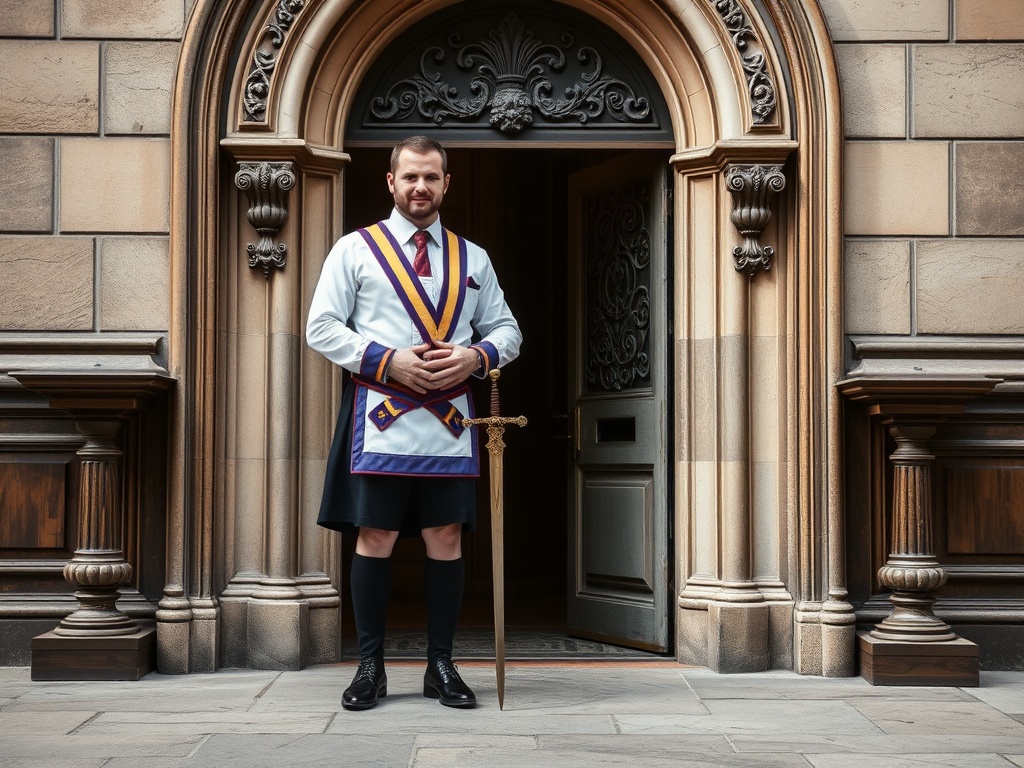
Guardian of the Sacred Threshold
The Tyler stands as the sentinel of the lodge, protecting its entrance and ensuring that the sacred work within remains protected from intrusion and interruption.
The Threshold Between Profane and Sacred
The Tyler's position is symbolically significant—standing at the threshold between the outside world and the sacred space of the lodge. The Tyler represents the boundary between the profane and the sacred, the uninitiated and the initiated. This boundary must be maintained with vigilance. When a Mason crosses the threshold of the lodge, he or she leaves the concerns of the world behind and enters a space dedicated to fellowship, learning, and spiritual development.
The Tyler's sword is not a weapon of violence but a symbol of the authority and obligation to protect this sacred boundary. The Tyler fulfills a role that has existed in Masonry for centuries, maintaining continuity with the fraternity's ancient traditions while serving a practical function essential to the lodge's work.
A Unique and Honored Position
Though the Tyler stands apart from the lodge—literally stationed at the entrance—the position is deeply honored and respected. The Tyler is elected to the position by the membership, indicating that the lodge recognizes the importance of this role and trusts the individual holding it. Many lodges regard the Tyler as an essential officer without whom the lodge's work cannot proceed. Some jurisdictions consider the Tyler to be among the principal officers, reflecting the significance of the role.
The Tyler's authority to admit or exclude members is taken seriously, and a Tyler who takes this responsibility lightly would be failing the lodge. At the same time, a Tyler who is warm, welcoming, and genuinely interested in the well-being of members can make a profound positive impression on the lodge experience.
Qualities of an Exemplary Tyler
Excellent Tylers combine firm adherence to obligation and procedure with genuine hospitality and care for lodge members. They are observant, alert, and attentive to detail. They understand the importance of their role and approach it with seriousness and dignity. At the same time, they are approachable and make members feel welcomed and valued. The best Tylers serve with quiet competence, rarely drawing attention to themselves but always present, vigilant, and ready to serve.
Vigilance
Constant attention to the entrance and members
Knowledge
Understanding of all members and procedures
Discretion
Sound judgment in admitting or declining access
Courtesy
Warm hospitality and genuine care for members
Core Responsibilities and Duties
The Tyler's responsibilities center on protecting the lodge entrance, controlling access, and ensuring that the sacred work proceeds undisturbed.
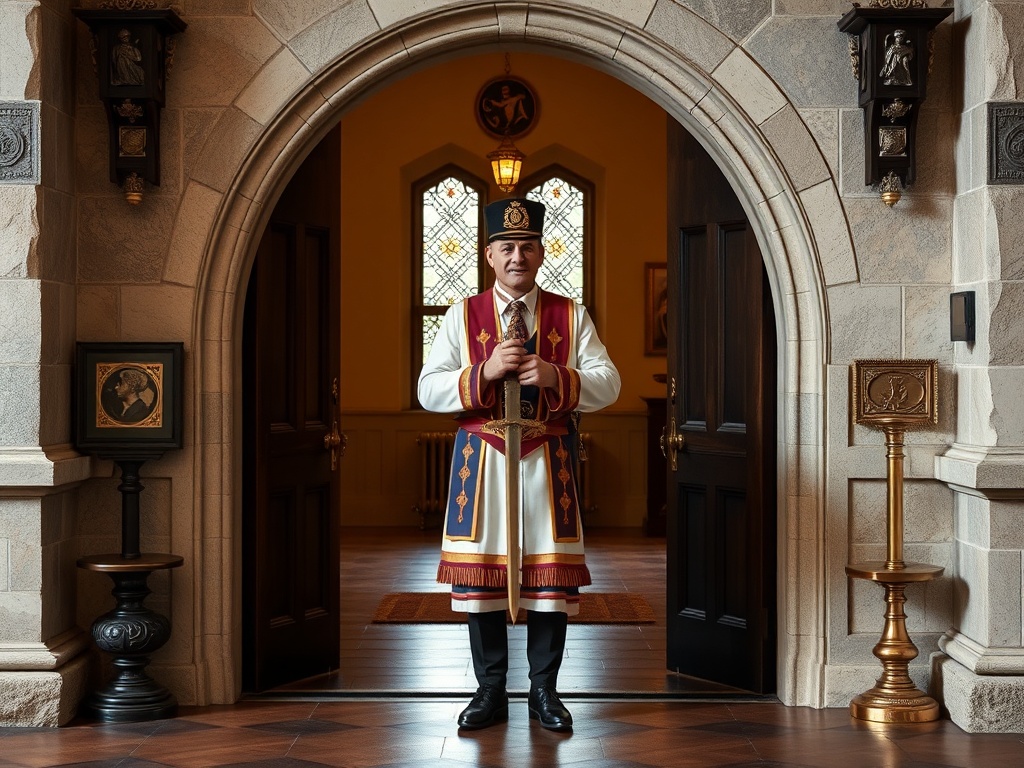
Guarding the Lodge Entrance
The Tyler's primary responsibility is to stand at the entrance to the lodge and prevent unauthorized entry. The Tyler must be able to identify members of the lodge and determine their standing before admitting them. This requires knowledge of the membership, including newer members and visitors, and the ability to ask for and verify credentials when necessary. The Tyler's constant presence at the entrance ensures that no one enters the lodge during an open meeting without proper admission.
Controlling Access During Ceremonies
During degree work and other important ceremonies, the Tyler's role becomes even more critical. The Tyler must be absolutely vigilant, ensuring that no one enters the lodge while ceremony is in progress and that no interruptions occur. This is often accomplished through an "outer guard" signal or knock that informs the Tyler that someone seeks admittance. The Tyler then communicates with the lodge through established procedures to determine whether the person should be admitted. This control of access ensures that the sacred work of Masonry is protected and undisturbed.
Maintaining Lodge Security
Beyond controlling access to the lodge room itself, the Tyler may have responsibility for the security of the lodge building and the protection of the lodge's property. The Tyler should be aware of any unusual activities or suspicious persons in the lodge building and report such matters to the Worshipful Master or Senior Warden. This responsibility helps ensure that the lodge's property is safe and that members can attend lodge meetings with confidence in their security.
Welcoming Members and Guests
While the Tyler's primary duty is to control access, the Tyler is often the first Freemason a visitor encounters. The Tyler's warmth, courtesy, and genuine interest in members and guests create a positive first impression and help visitors feel welcomed. Many visitors remember the Tyler's courtesy and friendliness as a significant factor in their positive impression of Masonry. An excellent Tyler balances the seriousness of the guardian role with genuine hospitality and care.
Managing the Tyler's Lodge
In some jurisdictions, the Tyler is responsible for the "Tyler's Lodge"—a space adjacent to or outside the main lodge room where members gather before and after the meeting. The Tyler ensures that this space is clean, orderly, and comfortable for members. The Tyler may also be responsible for managing the sign-in process, collecting dues, or distributing announcements. This administrative responsibility, though not always formally recognized, contributes significantly to the lodge's operations.
Fulfilling a Sacred Trust
Perhaps most importantly, the Tyler fulfills a sacred trust on behalf of the lodge. When the Tyler stands at the entrance with sword in hand, the Tyler represents the lodge's solemn obligation to protect its work from intrusion and to maintain the sanctity of the Masonic lodge. This responsibility, though it may seem purely practical, carries deep spiritual significance. The Tyler represents the principle that some spaces and some work are sacred and must be protected.
The Tyler's Service and Rewards
The Tyler's position offers unique opportunities for service and a perspective on the lodge that few other officers enjoy.
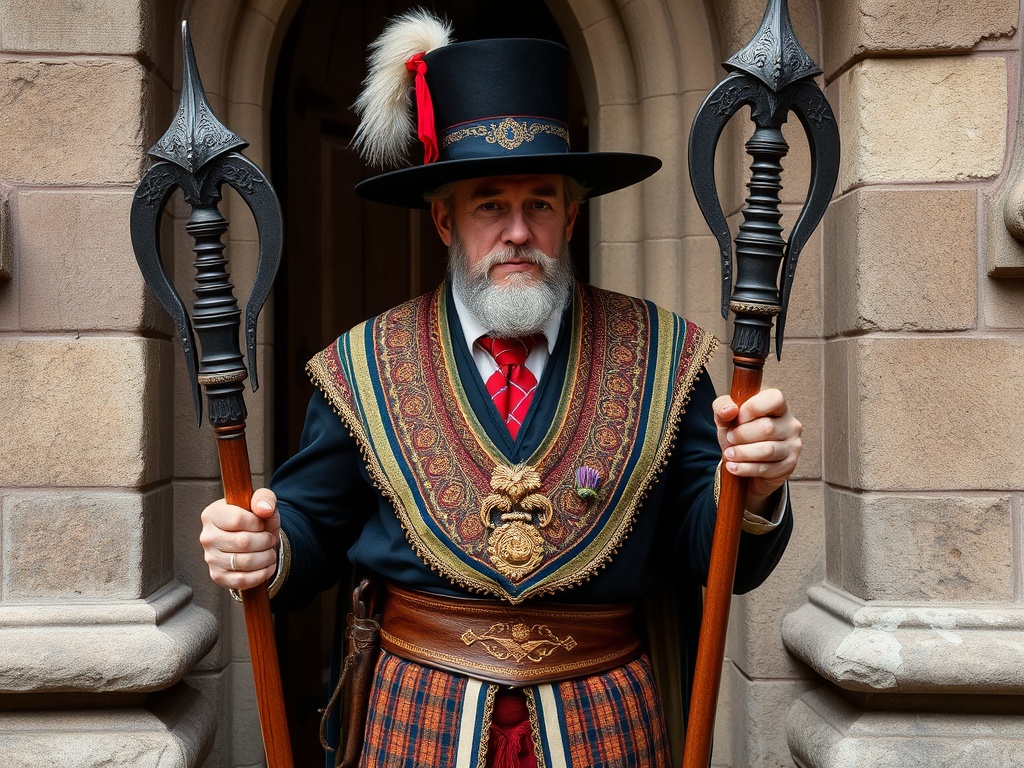
A Unique Perspective
The Tyler occupies a unique position within the lodge. Standing at the threshold, the Tyler observes the coming and going of all members, gets to know people across the entire lodge, and develops a comprehensive understanding of the lodge's character and dynamics. This broad perspective is valuable, and experienced Tylers often become trusted advisors and confidants to lodge leadership. The Tyler develops intimate knowledge of the lodge that comes from no other position.
Many Tylers report that their service provides rewarding opportunities to counsel members, welcome new visitors, and help create a positive lodge experience. The Tyler's interactions with members, though often brief, can have lasting positive impact.
Service and Fulfillment
Tylers report deep satisfaction from their service. The opportunity to protect the lodge's sacred work, to welcome members and guests, and to play a vital role in ensuring that lodge meetings proceed smoothly creates meaningful engagement with the fraternity. Many Tylers, despite standing outside the lodge during meetings, feel deeply connected to the lodge's mission and work. The position offers both the reward of service and the satisfaction of knowing that one's work is essential to the lodge's success.
The Tyler's position reminds us that all service in Masonry—whether prominent or humble—contributes to the fraternity's mission and is worthy of respect and recognition.
Historical Significance
The Tyler's position has roots deep in Masonic history. In medieval lodges of stonemasons, the Tyler would have been the craftsman responsible for tiling—completing the roof or external surface of the building under construction. Over time, this practical role evolved into a symbolic one representing protection and guardianship. Today, the Tyler represents the principle that Masonry values order, security, and the protection of sacred space. By serving as Tyler, a Mason connects with centuries of fraternal tradition and serves a role that has endured because of its fundamental importance.
Explore Other Lodge Officers
Learn about other officers and roles within the Masonic lodge structure.
Worshipful Master
The supreme leader and chief executive officer of the lodge.
Learn More →Junior Master of Ceremonies
The skilled conductor of lodge ceremonial procedures.
Learn More →Senior Master of Ceremonies
The principal coordinator of all lodge ceremonial work.
Learn More →Pursuivant
The ceremonial officer and usher who guides members through lodge ceremonies.
Learn More →