Order of the Red Cross
The Foundation of Templar Chivalry
The Order of the Red Cross is the first degree conferred by a Masonic Commandery and serves as the foundation for advancement to higher Templar degrees. This sacred order emphasizes the cardinal virtues of faith, hope, and charity, with particular focus on faithfulness and steadfast devotion to principle. It represents the beginning of a transformative spiritual journey.
Back to Knights Templar
Core Teachings and Principles
The Order of the Red Cross imparts profound lessons about the nature of good and evil, the power of redemption, and the strength that comes from unwavering conviction.
Faith and Conviction
The first principle emphasizes unwavering faith in divine principles and the courage to stand firm in one's convictions despite external pressures and temptations. True strength comes not from worldly power but from inner spiritual certainty.
The Power of Redemption
Central to the Red Cross is the symbolism of redemption through sacrifice and spiritual purification. The cross represents the redemptive power that transforms darkness into light and establishes victory over adversity.
Moral Courage
This degree teaches that the greatest battles are spiritual and moral rather than physical. It celebrates those who choose virtue over vice, truth over deception, and service over selfishness.
Symbolic Meaning of the Red Cross
The Red Cross is multivalent in its symbolism. It represents both the cross of redemption and the symbol of sacrifice. The red color signifies the blood of martyrs and the passion of those devoted to divine purpose. The cross itself has been a symbol of salvation and divine protection across Christian traditions for centuries.
In the context of the Order of the Red Cross, the symbol unites these meanings into a powerful teaching tool. It reminds candidates that their spiritual journey requires both sacrifice and faith, that redemption comes through dedication to principle, and that the highest virtue lies in steadfast commitment to truth regardless of personal cost.
Ritual Work and Transformation
The ritual work of the Red Cross degree includes symbolic teachings about the nature of evil, the victory of good, and the redemptive power of sacrifice.
The Initiation Journey
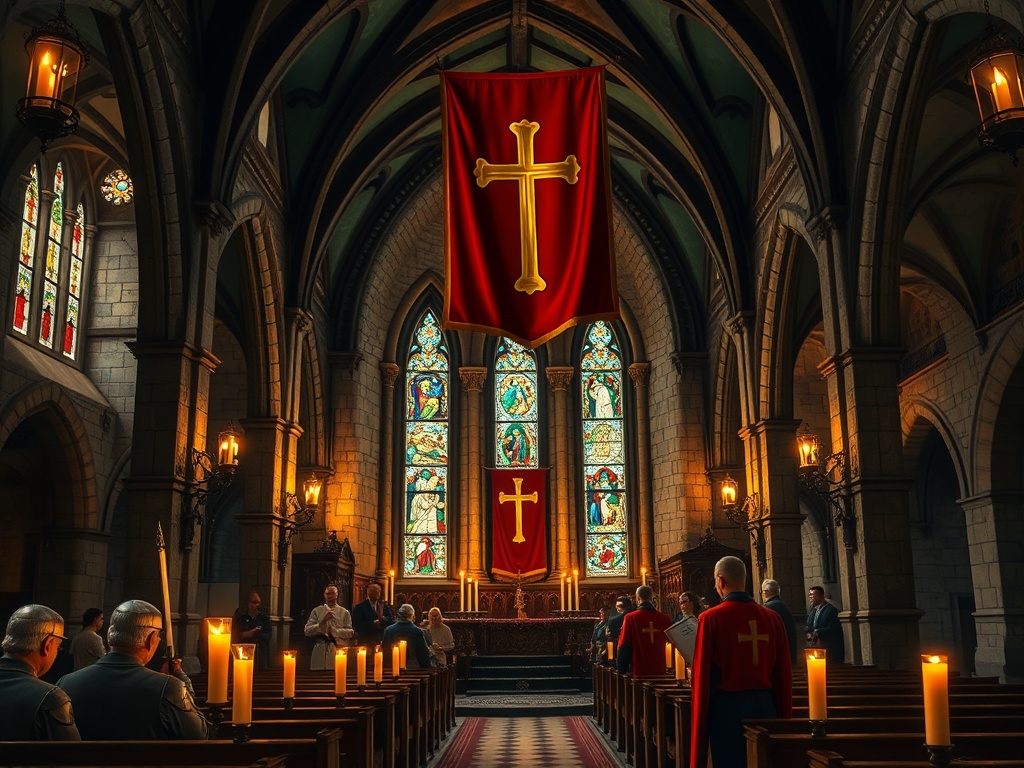
Candidates are taken on a symbolic journey that dramatizes the struggle between good and evil, light and darkness. Through carefully choreographed ritual presentations, the initiate experiences an emotional and spiritual transformation that permanently alters their understanding of their Masonic path.
The degree uses dramatic symbolic presentations, carefully chosen words, and meaningful ceremonies to impart its lessons. Each element of the ritual has been refined over centuries to create a powerful educational experience that appeals to both the intellect and the heart.
The Dramatic Narrative
The Red Cross degree presents a carefully constructed narrative that explores the eternal conflict between righteousness and corruption, between those who stand firm for truth and those who succumb to temptation. The candidate witnesses scenes of injustice and sees how steadfast faith can overcome even seemingly insurmountable obstacles.
Throughout the ritual, the candidate learns that principle must outweigh personal safety, that honor transcends worldly wealth, and that the greatest victory is spiritual enlightenment. These lessons, reinforced through dramatic presentation and symbolic representation, transform the candidate's understanding of what it means to be a true knight in service of higher ideals.
The Cardinal Virtues
The Order of the Red Cross emphasizes three cardinal virtues that form the foundation of chivalric character.
Faith
Faith in this context means more than religious belief—it encompasses trust in divine principle, confidence in the ultimate victory of truth, and unwavering commitment to one's spiritual path. Candidates learn that faith provides the strength to endure hardship and maintain integrity even when facing persecution or opposition.
Hope
Hope teaches that even in the darkest circumstances, redemption remains possible. It is the virtue that sustains seekers through trials and tribulations, providing the confidence that dedication to principle will ultimately lead to enlightenment and spiritual victory. Hope prevents despair and maintains the candidate's commitment to the path.
Charity
Charity encompasses both compassion for others and generosity of spirit. It teaches that true nobility lies not in wealth or status but in the capacity to recognize the suffering of others and take action to alleviate it. Charity elevates the soul and connects the candidate to the broader community of seekers.
Visual Symbolism
Explore the rich symbolic imagery associated with the Order of the Red Cross.
The Light of Redemption
The central image of the Red Cross degree is light breaking through darkness—a powerful symbol of the redemptive process. Just as light dispels darkness, truth overcomes deception, and redemption overcomes sin. This symbolism runs throughout the degree work and serves as a constant reminder of the transformative potential of spiritual seeking.
Significance in the Templar Journey
As the first degree, the Order of the Red Cross establishes the foundation for all subsequent Templar work.
The Red Cross degree serves as the foundation upon which all subsequent Templar degrees are built. It establishes the candidate's commitment to the chivalric ideals of faithfulness, courage, and devotion to principle. Without this strong foundation, the deeper teachings of the Malta and Temple degrees cannot be fully appreciated or integrated into the candidate's spiritual life.
The degree demonstrates that true knighthood is not about physical prowess or worldly achievement but about moral and spiritual development. It teaches that the greatest battles are internal—battles against ignorance, fear, and selfishness. By mastering these inner conflicts, the candidate develops the character necessary to progress through the higher degrees.
Candidates who receive the Red Cross degree emerge with a transformed understanding of what chivalry means. They recognize that they are part of a continuous tradition stretching back through medieval Templars to the earliest seekers of truth. They understand that their personal spiritual development has broader implications for their families, communities, and the world. This realization motivates them to embody the virtues they have learned and to share these ideals with others.