Mark Master Mason
The First Chapter Degree Emphasizing Individual Identity, Achievement, and the Foundation of Chapter Masonry
A comprehensive exploration of the first degree of Chapter Masonry and its significance in Masonic education.
The Mark Master Mason degree represents the gateway to Chapter Masonry, preserving ancient traditions of craftsmanship while teaching profound lessons about individual identity, responsibility, and contribution to the greater community. Discover the origins, symbolism, teachings, and enduring relevance of this foundational Chapter degree.
Start Learning
Continue your Chapter journey:
Explore the Royal Arch →What is the Mark Master Mason Degree?
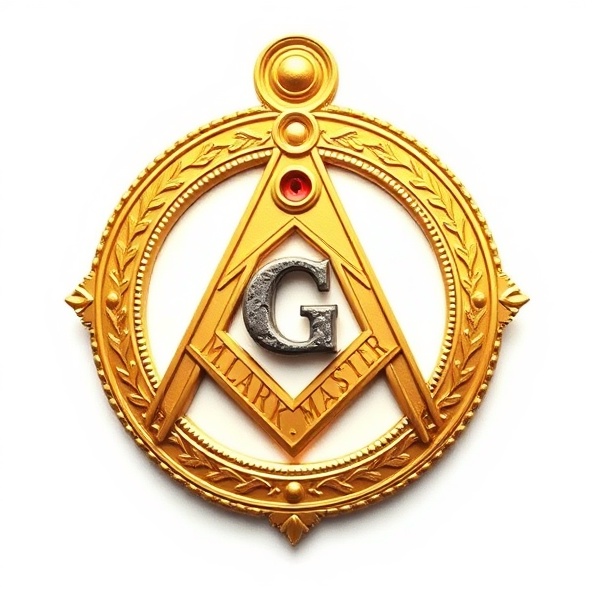
The Mark Master Mason degree is the first and foundational degree of Chapter Masonry, introducing candidates to the principles and practices of advanced Masonic education beyond the three Craft degrees.
The Gateway Degree
The Mark Master Mason degree serves as the entrance to Chapter Masonry. Unlike the three Craft degrees, which focus on the progression from Apprentice to Journeyman to Master Mason, the Mark degree stands apart as the beginning of a new educational journey. It introduces candidates to different ritual forms, expanded philosophical teachings, and a broader Masonic community.
Historical Significance
The Mark Master Mason degree has roots in operative masonry, where every mason had the right to mark the stones he finished. This ancient practice connected individual craftsmen to their work and ensured accountability for quality. In speculative Masonry, the degree preserves this connection to genuine craft traditions while teaching timeless lessons about identity and achievement.
Individual Recognition
Each candidate receives a personal Mark during the degree—a unique symbol created specifically for them that becomes their Masonic seal. This Mark represents their individual identity within the Masonic order and acknowledges their acceptance into Chapter Masonry. The Mark becomes a permanent part of their Masonic record.
Foundation for Advancement
The Mark Master Mason degree establishes the narrative framework and philosophical foundation that continues through the subsequent Chapter degrees: Past Master, Most Excellent Master, and Royal Arch. Understanding the Mark degree is essential for comprehending the progression that follows.
History and Origins
The Mark Master Mason degree connects speculative Masonry to the traditions and practices of operative masonry, preserving ancient craft knowledge while adapting it to esoteric teaching.
Operative Masonry Origins
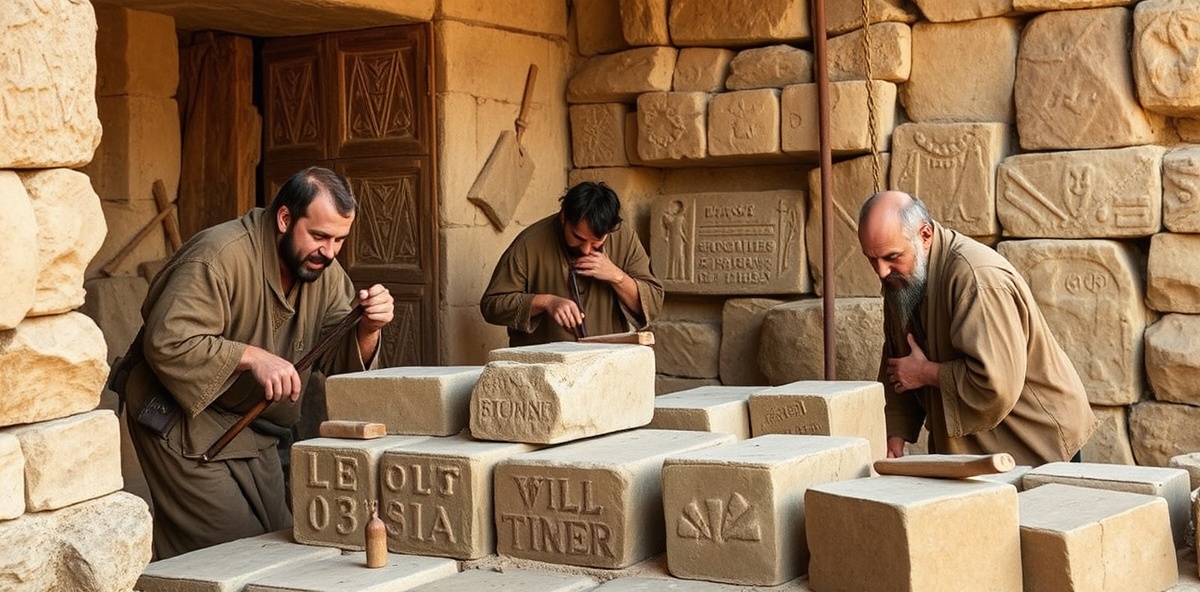
In medieval operative masonry, master craftsmen maintained strict control over the masonic guilds and craft knowledge. Individual stonemasons earned the right to place their personal mark on stones they completed. This mark served multiple important purposes: it identified the craftsman responsible for the work, ensured accountability for quality and durability, and provided a form of signature that indicated the mason's personal craftsmanship standard.
Each mason's mark was unique, often registered with the guild and passed down through apprenticeship lines. The mark became a source of pride for the craftsman, representing his reputation and the quality of his work. Examining stones from medieval buildings reveals these marks—silent testimony to individual craftsmen who worked centuries ago.
When speculative Masonry emerged in the seventeenth and eighteenth centuries, the Mark Master degree was developed to preserve this important connection to genuine craft tradition. Rather than disappearing, the practice of marking stones was elevated to symbolic significance, teaching lessons that transcended the physical craft.
Operative Mason Practices
Every operative mason earns the right to mark stones completed under his direction. Guild records document these marks as proof of individual achievement and quality accountability.
Speculative Development
As speculative Masonry develops, the Mark degree is formalized to preserve the connection between speculative and operative traditions. The degree teaches the symbolic significance of individual achievement.
Formalized Degree Structure
With the establishment of Chapter systems and Grand Chapters, the Mark Master Mason degree becomes standardized as the first Chapter degree. It gains recognition as essential to Chapter Masonry worldwide.
Contemporary Practice
The Mark Master Mason degree remains the gateway to Chapter Masonry, preserving both operative tradition and esoteric teaching. Thousands of Masons advance to the degree annually, beginning their Chapter journey.
Central Teachings and Symbolism
The Mark Master Mason degree conveys profound lessons through the symbolism of the personal Mark and its relationship to individual identity, quality, and contribution to greater works.
The Personal Mark
The central feature of the Mark Master Mason degree is the candidate's personal Mark—a unique symbol created during the degree ceremony that becomes their permanent Masonic seal. This Mark represents several profound concepts:
- • Individual Identity: Each Mason has a unique place and role within the Masonic community.
- • Personal Achievement: The Mark acknowledges the candidate's successful completion of earlier degrees and acceptance into Chapter Masonry.
- • Accountability: Just as operative masons were accountable for the quality of marked stones, Masons are accountable for the quality of their character.
- • Permanence: The Mark becomes a permanent part of the Mason's record, symbolizing lasting connection to Masonic principles.
Connection to Solomon's Temple
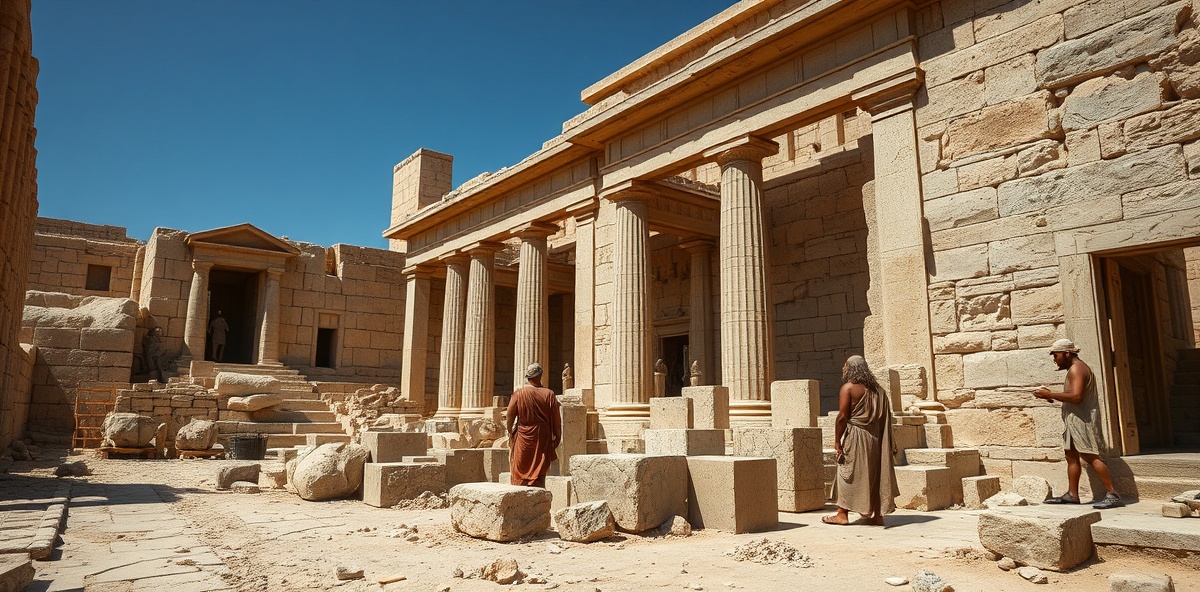
The degree narrative places the candidate among the builders of Solomon's Temple. In this context, each mason contributing to the great structure must mark his work and take pride in his individual contribution to the greater whole.
The degree examines biblical accounts of master craftsmen, particularly Aholiab and Bezaleel, who were chosen for their skill and integrity. These examples illustrate how individual excellence contributes to great communal works and how each person's gifts serve higher purposes beyond themselves.
This connection to Temple building establishes the narrative that continues through the subsequent Chapter degrees, all of which relate to the construction, dedication, loss, and recovery of Solomon's Temple.
Key Principles and Lessons
Quality and Craftsmanship
Whether in operative work or speculative understanding, quality requires attention to detail, commitment to excellence, and integrity in execution. The Mark symbolizes the candidate's commitment to these standards in all aspects of life.
Individual Responsibility
Each Mason has personal responsibility for the quality of his character and contributions. No one can mark a stone for another, and no one can develop character through someone else's efforts.
Recognition and Achievement
Personal achievement should be recognized and celebrated. The Mark serves as public recognition of the candidate's advancement and acceptance into the Chapter community.
Community Contribution
Individual excellence contributes to the strength and beauty of the whole. Each Mason's personal development strengthens the entire Masonic order and benefits the broader community.
The Degree Conferral Experience
The Mark Master Mason degree ceremony is designed to create a meaningful educational and transformative experience through carefully structured ritual and symbolic teaching.
Ceremonial Structure
The Mark Master Mason ceremony typically involves three principle officers and a degree team. The High Priest presides, the King participates as the second principal officer, and the Scribe serves as the third principal officer. These officers conduct the ceremony with the assistance of other appointed officers who fulfill specialized roles.
The candidate undergoes a carefully choreographed journey through the ceremony. The ritual includes presentation of the candidate, symbolic instruction regarding the Mark, creation of the personal Mark, and formal reception into the degree. Each element is designed to reinforce the teachings and create memorable impressions.
The Personal Mark Creation
One of the most significant moments in the Mark Master Mason ceremony is the creation of the candidate's personal Mark. The candidate typically designs or selects a mark from a set of options, or the mark may be created through an interactive ceremonial process. This mark becomes the candidate's permanent Masonic seal.
The mark is then officially recorded in the Chapter's records, giving it legal and ceremonial standing. Many Masons report that receiving their Mark is one of the most meaningful moments of their Masonic experience, as it represents their individual recognition and acceptance.
Meaningful Symbolism Throughout
Every element of the Mark Master Mason ceremony carries symbolic significance designed to teach the central lessons of the degree. The presentation of masonic tools references the operative craft. The examination of working stones connects to the Temple's construction. The narrative references biblical and historical examples of individual achievement and community contribution.
The ceremony creates an intellectual and emotional understanding of the degree's teachings that cannot be conveyed through words alone. Candidates emerge from the experience with a visceral understanding of the value of individual identity, the importance of quality in all endeavors, and the significance of being part of something greater than themselves.
Mark Master Mason in the Chapter Degree Progression
The Mark Master Mason degree is the foundation upon which the subsequent Chapter degrees build, establishing both narrative and philosophical themes that develop through the remaining degrees.
The Four Chapter Degrees Sequence
The Mark Master Mason degree is the first of four Chapter degrees that together comprise the York Rite Chapter system:
1. Mark Master Mason
Emphasizes individual identity and achievement. The candidate receives his personal Mark and is recognized as a builder of the Temple.
2. Past Master
Focuses on leadership and governance. The candidate learns about the responsibilities and wisdom required for effective leadership.
3. Most Excellent Master
Centers on completion and dedication of the Temple. The candidate learns about sanctification and the spiritual significance of completed work.
4. Royal Arch
The culmination degree. Candidates experience the recovery of lost secrets and the completion of Chapter Masonry.
The Narrative Arc
The Mark Master degree establishes the narrative foundation for all subsequent Chapter degrees. In the Mark degree, candidates identify themselves as builders of Solomon's Temple. Through the Mark, candidates participate in the construction, earning recognition through individual achievement. This narrative continues through the Past Master degree (emphasizing leadership in maintaining the Temple's vision), the Most Excellent Master degree (focusing on the Temple's completion and dedication), and finally the Royal Arch degree (dealing with the loss and recovery of the Temple's most sacred secrets).
Building Philosophical Depth
The Mark Master degree introduces candidates to the philosophical complexity and symbolic richness of Chapter Masonry. Where the three Craft degrees teach fundamental Masonic principles, the Mark degree and subsequent Chapter degrees expand into more sophisticated philosophical territory. Each succeeding degree builds upon the foundations established in the Mark, creating a comprehensive educational progression that develops candidates' understanding of Masonic principles and personal spiritual development.
Connection to Operative Masonry
The Mark Master Mason degree uniquely preserves the connection between speculative Masonry and the genuine craft practices of operative masons, making it one of the most historically grounded degrees in Masonry.
Historical Authenticity
The Mark system reflects actual practices in operative masonry. Unlike some Masonic symbolism that is purely allegorical, the marking of stones was a genuine medieval craft practice documented in guild records and building contracts from the medieval period.
Historical records show that stone marks served as mason's signatures on important buildings throughout Europe. Scholars have identified consistent marks used by individual craftsmen across multiple building projects, demonstrating the actual function of marks in documenting individual achievement and accountability.
Preservation of Craft Knowledge
Through the Mark Master degree, speculative Masonry preserves important aspects of operative craft knowledge and tradition. The degree teaches respect for the genuine craftsmanship that built the cathedrals and temples of medieval Europe.
This preservation creates a meaningful connection to Masonry's historical roots and demonstrates that Masonic teaching is grounded in real craft practices and genuine traditions rather than being purely invented for speculative purposes.
Lessons from Medieval Craft Guilds
Medieval masonic guilds operated under strict standards that ensured quality craftsmanship and protected the interests of master masons. The marking of stones was part of a comprehensive quality control system. Each mason's mark documented his work and his responsibility for its durability and quality. This system embodied several principles that the Mark Master Mason degree preserves:
- • Individual Accountability: Each craftsman took personal responsibility for the quality of his work, knowing it bore his mark for posterity.
- • Reputation as Currency: A mason's mark and reputation were his most valuable assets. Quality work built reputation; poor work destroyed it.
- • Collective Standards: While individual marks indicated personal achievement, guild standards ensured that all work met minimum quality expectations.
- • Community Contribution: Individual achievement and community standards were balanced; each mason contributed to greater works that transcended individual accomplishment.
Mark Master Mason in Modern Masonry
The Mark Master Mason degree remains vital in contemporary Masonry, offering timeless lessons that resonate with modern Masons seeking meaningful Masonic education.
Gateway to Chapter Masonry
Thousands of Masons annually advance to the Mark Master Mason degree, making it one of the most widely conferred Chapter degrees. For many Masons, the Mark degree represents their first step beyond the Craft lodge into a broader Masonic world. The degree introduces them to different ritual formats, expanded philosophical teaching, and larger Masonic communities.
Timeless Lessons
The Mark degree's lessons about individual identity, quality, and contribution remain profoundly relevant in the modern world. In an era of increasing anonymity and mass production, the degree's emphasis on individual achievement and personal responsibility offers meaningful counterpoint.
Connection to Craft Masonry
The Mark Master Mason degree provides a natural bridge between Craft Masonry and Chapter Masonry. Many Masons who have completed their journey in the Craft lodge find the Mark degree intellectually and philosophically satisfying as their first step into Chapter work.
Community and Fellowship
The Mark degree marks the candidate's entrance into a larger Masonic community of Chapter Masons from multiple lodge jurisdictions. This creates broader networks of Masonic fellowship and understanding beyond the individual lodge.
Chapter Structure and Officers
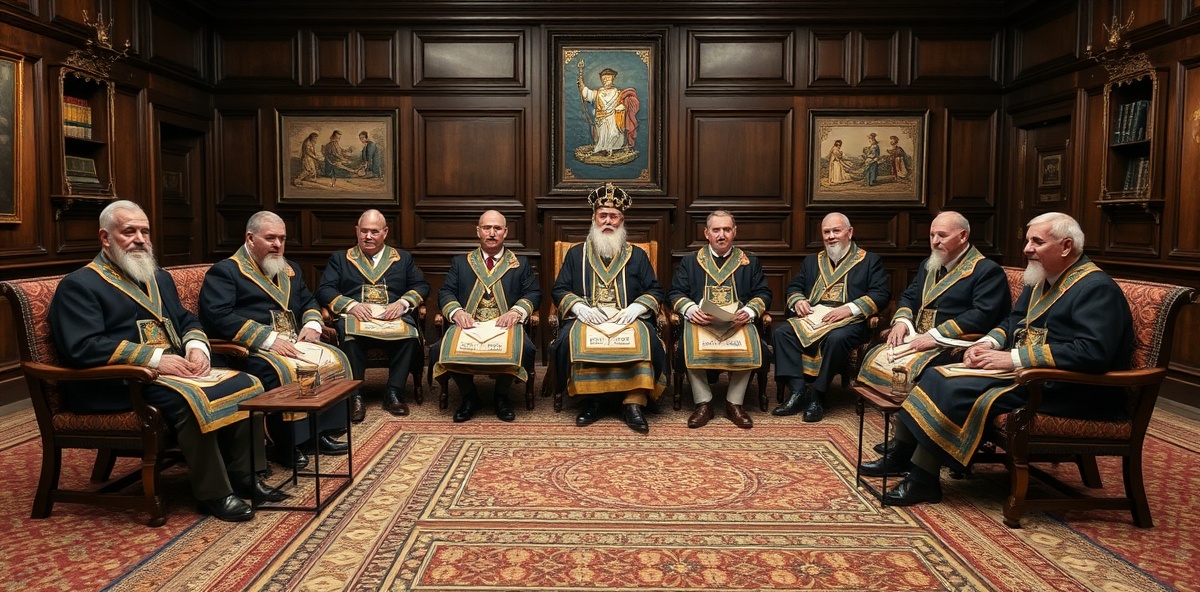
Mark Master Mason degree work is conducted within Royal Arch Chapters, which operate under a well-organized system of elected and appointed officers, each with distinct responsibilities that ensure effective administration and quality degree work.
What is a Royal Arch Chapter?
The Mark Master Mason degree is conferred within the context of a Royal Arch Chapter, the governing body for Chapter Masonry in a specific jurisdiction. The Chapter operates as an organized body with five principal elected officers and appointed officers who fulfill specialized roles. Each Chapter is chartered by the Grand Chapter of its state or jurisdiction, ensuring consistency and quality of degree work across all Chapters.
The Chapter system reflects Masonic democratic principles, with elected officers providing membership mandate and appointed officers bringing specialized expertise. This balance ensures both leadership accountability and operational excellence. Chapters meet regularly to confer degrees, conduct business, and maintain the fellowship essential to Chapter Masonry.
Elected Officers
High Priest
The principal and presiding officer of the Chapter, serving as the chief executive responsible for the overall welfare, operations, and advancement of the Chapter. The High Priest represents the ultimate authority within the Chapter and presides over all stated meetings, special communications, and degree conferrals. This officer is the spiritual and administrative leader of the Chapter, setting the tone for all activities and ensuring that the Chapter maintains high standards of ritual work, Masonic conduct, and fellowship.
King
The second principal officer of the Chapter who assists the High Priest in all matters and assumes full responsibility for the Chapter's operations in the High Priest's absence. The King serves as the presiding officer of the Chapter's Executive Committee and oversees various administrative functions. This officer provides a crucial second level of leadership, ensuring continuity and stability within the Chapter.
Scribe
The third principal officer responsible for maintaining accurate records of all Chapter activities, meetings, degrees conferred, and administrative matters. The Scribe serves as the primary administrative officer, preserving the institutional memory of the Chapter and ensuring that all proceedings are properly documented. This position requires meticulous attention to detail, organizational skills, and a commitment to accurate record-keeping.
Treasurer
The officer entrusted with the financial stewardship of the Chapter, managing all funds, receipts, and expenditures with integrity and transparency. The Treasurer collects membership dues, processes fees for degree conferrals, pays Chapter expenses, and maintains detailed financial records. This position requires trustworthiness, competence in financial matters, and a commitment to the prudent use of Chapter resources.
Secretary
The officer who assists the Scribe in administrative duties and handles much of the correspondence and communication of the Chapter. The Secretary maintains contact information for members, schedules meetings and degree conferrals, and manages the Chapter's communication systems. In many Chapters, the Secretary handles day-to-day administrative matters, allowing the Scribe to focus on record preservation and historical documentation.
Appointed Officers
Captain of the Host
The appointed officer responsible for directing and conducting candidates through the degree ceremonies and guiding them in their Masonic journey through Chapter Masonry. The Captain of the Host serves as a primary guide for candidates, ensuring they understand the significance of each step in their advancement and helping them navigate the ceremonial experiences. This officer must possess thorough knowledge of all Chapter degrees and be capable of precise, graceful direction of others.
Chaplain
The appointed officer responsible for leading the Chapter in appropriate prayers, reflections, and spiritual observations. The Chaplain opens and closes meetings with suitable invocations, offers blessings during degree work, and provides spiritual guidance to Chapter members. This position requires sincere faith, eloquence, and the ability to articulate Masonic spiritual principles in ways that resonate with the membership.
Sentinel
The appointed officer who stands guard at the entrance to the Chapter room, controlling access and ensuring the absolute security of the Chapter's proceedings. The Sentinel is the first line of defense in maintaining the confidential nature of Masonic work, preventing unauthorized individuals from entering and ensuring that the secrecy essential to the degrees is preserved. This officer must be attentive, disciplined, and absolutely committed to protecting the integrity of the Chapter's work.
Tyler
The appointed officer responsible for the outer security of the Chapter premises and the protection of the Chapter chamber from intrusion and disturbance. The Tyler stands outside the Chapter room as the outer guardian, working in concert with the Sentinel to ensure that all proceedings are protected from unauthorized interference. This officer maintains absolute watchfulness and alerts Chapter officers to any external disturbances or security concerns.
Master of Ceremonies
The appointed officer responsible for directing and managing the ceremonial aspects of all Chapter work, ensuring that degrees are conferred with precision, reverence, and meaningful instruction. The Master of Ceremonies oversees all ceremonial detail, from the arrangement of the Chapter room to the coordination of degree teams. This officer works closely with the High Priest and other officers to ensure that ceremonial excellence reflects the importance of the degrees.
How Chapter Leadership Works
Election Process
The five principal officers are elected by the Chapter membership, typically at the annual communication or spring stated meeting. This democratic process reflects Masonic values of participation and shared responsibility in Chapter governance. Elections emphasize the importance of experience and demonstrated commitment to Chapter work.
Appointed Positions
The High Priest appoints officers to the specialized positions, allowing for careful consideration of individual qualifications. These appointments ensure that members with specific knowledge and abilities serve in roles where they can contribute effectively. Appointed officers gain valuable experience that often leads to higher elected office.
Term of Service
Officers typically serve one-year terms, with elections held annually. This annual renewal of leadership allows the membership to renew confidence in the direction of Chapter affairs and ensures that leadership remains responsive to membership interests and concerns.
Installation Ceremony
Once elected and appointed, officers are formally installed in a special ceremony that contains important lessons about the nature of leadership, duty, and service within Chapter Masonry. This ensures that those assuming office understand the sacred nature of their roles.
Frequently Asked Questions
Next in your Chapter Masonry journey:
Learn About the Royal Arch →
Comments & Discussion
Have thoughts or questions about this topic? Share your feedback below. All comments are moderated to maintain a respectful community.